


In recent years, textile manufacturers in Vietnam have emerged as pivotal players in the global fashion industry, thanks to their ability to provide high-quality, cost-effective solutions for various apparel needs. As the demand for sustainable and ethically produced garments continues to rise, understanding the landscape of textile manufacturing in Vietnam becomes increasingly essential for businesses seeking reliable partners in their supply chains. This article delves into the core aspects of Vietnam’s textile industry, exploring its manufacturing capabilities, technological advancements, and critical role in the garment outsourcing sector.
We will examine the key factors driving the success of textile factories in Vietnam, including their commitment to quality, innovation in production techniques, and adherence to international standards. Additionally, we will highlight the strategic advantages of working with Vietnamese manufacturers, such as competitive pricing and swift turnaround times. This comprehensive overview aims to equip readers with valuable insights into the textile manufacturing process, enabling informed decisions for sourcing and collaboration in the apparel market.
Understanding the Textile Manufacturing Industry in Vietnam
The textile manufacturing industry in Vietnam plays a crucial role in the nation’s economy, contributing significantly to export revenues and employment. As the world’s third-largest textile exporter, Vietnam has established itself as a key player in the global supply chain. The sector encompasses a wide range of activities, from raw material processing to finished product manufacturing, thereby providing diverse opportunities for both local and international businesses.
Vietnam’s textile sector is characterized by its strong adaptability and innovation. The country produces a variety of textile products, including apparel, home textiles, and technical textiles, meeting the demands of various markets around the world. The growth of this industry is supported by a combination of favorable government policies, a skilled workforce, and investments in technology.
Key players in Vietnam’s textile manufacturing include both domestic and foreign enterprises. Notable companies such as Vinatex, Hòa Thọ, and TNG Investment and Trading are well-known for their quality products and commitment to sustainability. Additionally, multinational corporations have established production bases in Vietnam, attracted by the country’s competitive labor costs and favorable business environment. This blend of local and international firms fosters a dynamic market landscape that enhances competitiveness and innovation.
In summary, understanding the textile manufacturing industry in Vietnam involves recognizing its vital contributions to the economy, the diversity of products offered, and the key players driving its growth. As the industry evolves, it continues to embrace new technologies and practices, positioning itself favorably in the global textile market.

Benefits of Choosing Vietnamese Textile Manufacturers
Choosing a textile manufacturer in Vietnam offers numerous advantages that can significantly enhance your business operations. The Vietnamese textile sector has established itself as a global hub for high-quality production, characterized by cost efficiency and skilled labor. Businesses looking to partner with local manufacturers can benefit from a strategic combination of affordability, quality, and flexibility in production.
One of the primary benefits of selecting Vietnamese textile manufacturers is cost-effectiveness and competitive pricing. Vietnam’s textile industry benefits from lower labor costs compared to many Western countries, allowing manufacturers to offer competitive rates without compromising on quality. This pricing advantage enables businesses to maintain healthy profit margins while still delivering quality products to their customers.
In addition to competitive pricing, Vietnamese textile manufacturers adhere to rigorous quality standards and certifications. Many factories are certified by international organizations, ensuring compliance with global regulations and standards such as ISO 9001 and OEKO-TEX. These certifications underscore the commitment of Vietnamese manufacturers to quality control, which is critical for businesses looking to enhance their brand reputation. For instance, a manufacturer that meets OEKO-TEX standards assures clients that their textiles are free from harmful substances, which is crucial in the apparel and home textile markets.
Furthermore, the diversity of textile products offered by Vietnamese manufacturers is a significant advantage. From apparel and garments to home textiles and technical textiles, Vietnam can cater to a wide range of market needs. This versatility allows businesses to source multiple types of products from a single manufacturer, simplifying the supply chain and reducing logistical complexities. For example, companies can procure everything from fashion garments to industrial textiles, streamlining their procurement processes.
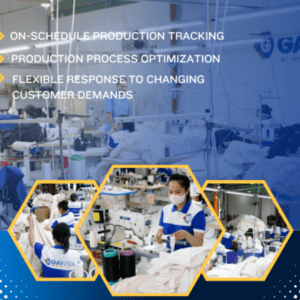
Moreover, the process of working with Vietnamese textile manufacturers is generally streamlined and efficient. The initial consultation and design phases are typically responsive and collaborative, allowing for rapid prototyping and sampling. This flexibility is especially beneficial for brands that require quick turnaround times or wish to launch new products rapidly. Manufacturers in Vietnam are increasingly investing in advanced technologies and machinery, which enhances production efficiency and reduces lead times.
In summary, partnering with a textile manufacturer in Vietnam provides a multitude of benefits, including cost savings, adherence to quality standards, product diversity, and an efficient collaboration process. These factors collectively position Vietnam as a leading destination for businesses seeking reliable and competitive textile manufacturing solutions.

Types of Textile Products Offered by Vietnamese Manufacturers
Vietnamese textile manufacturers offer a diverse range of products that cater to various markets and consumer needs. This broad spectrum includes apparel and garments, home textiles, and technical textiles, each serving distinct industries and purposes. By understanding these categories, businesses can make informed decisions when selecting a textile manufacturer in Vietnam.
Apparel and garments represent the most significant segment of Vietnam’s textile production. This category includes a vast array of clothing items such as shirts, trousers, dresses, and activewear. Vietnamese manufacturers excel in producing high-quality garments that meet international standards, often collaborating with global brands like Nike, Adidas, and Zara. The country’s garment industry is known for its ability to provide quick turnaround times and flexibility in production, allowing brands to respond swiftly to market trends.
In addition to apparel, home textiles play a crucial role in Vietnam’s textile landscape. These products encompass bed linens, curtains, towels, and upholstery fabrics, which are essential for both residential and commercial interior design. Manufacturers in Vietnam focus on delivering innovative designs and high-quality materials that enhance the aesthetic appeal and functionality of living spaces. The home textile sector benefits from Vietnam’s strong weaving and dyeing capabilities, ensuring vibrant colors and durable fabrics.
Another growing segment is technical textiles, which are specialized fabrics designed for specific applications beyond traditional uses. This category includes materials used in automotive, medical, and construction industries. Vietnamese manufacturers are increasingly investing in advanced technologies and research to produce high-performance technical textiles that meet stringent safety and durability standards. For instance, textiles used in medical applications may require antimicrobial properties, while those for automotive use must withstand extreme conditions.
In summary, the variety of textile products offered by Vietnamese manufacturers highlights the country’s adaptability and innovation in the textile sector. By exploring these categories, businesses can identify the right textile manufacturer in Vietnam that aligns with their specific needs and market demands.

The Process of Working with Textile Manufacturers in Vietnam
Working with textile manufacturers in Vietnam involves a structured process that ensures both parties align on expectations and deliverables. Understanding this process is crucial for achieving high-quality products and maintaining a successful partnership. The typical workflow can be broken down into several key stages: initial consultation and design, sampling and prototyping, followed by production and quality control.
Initially, the initial consultation and design phase is vital. During this stage, companies outline their specific needs, including design preferences, material choices, and production timelines. Manufacturers in Vietnam often offer expertise in creating tailored solutions, ensuring that designs meet both aesthetic and functional requirements. This collaboration can significantly influence the final product’s success, as clear communication lays the foundation for all subsequent steps.
Next, the sampling and prototyping phase allows for tangible evaluation of design concepts. Manufacturers create samples based on the agreed specifications, enabling clients to assess aspects such as fabric quality, color accuracy, and construction methods. This stage is critical for identifying any necessary adjustments before mass production begins. For instance, if a garment sample does not fit as expected, modifications can be made based on feedback, ensuring the final product aligns with the client’s vision.
Once the samples are approved, the process advances to production and quality control. Vietnamese textile manufacturers typically employ rigorous quality assurance protocols to maintain high standards. This includes regular inspections during the production process, ensuring that each item meets established specifications. Additionally, many manufacturers hold certifications that validate their commitment to quality, such as ISO standards. This focus on quality control not only enhances customer satisfaction but also reduces the likelihood of costly returns and reworks.
In summary, the process of working with textile manufacturers in Vietnam is characterized by a systematic approach that emphasizes collaboration, quality, and responsiveness to client needs. By understanding each phase, businesses can effectively navigate the complexities of textile production and leverage the strengths of Vietnamese manufacturers to deliver outstanding textile products.

Challenges in Textile Manufacturing in Vietnam
The textile manufacturing industry in Vietnam faces several challenges that can impact its growth and competitiveness. These challenges include supply chain issues, labor and compliance regulations, and environmental considerations. Addressing these obstacles is crucial for Vietnamese textile manufacturers to maintain their position in the global market and ensure sustainable development.
One of the most significant supply chain issues plaguing the textile sector is the dependency on imported raw materials. Although Vietnam is known for its robust garment production capabilities, a large portion of the fabrics and other materials required for manufacturing is imported. This reliance makes the supply chain vulnerable to global market fluctuations and trade uncertainties. Disruptions caused by logistical challenges, such as shipping delays or increased tariffs, can severely affect production timelines and costs.
In addition to supply chain vulnerabilities, labor and compliance regulations present another set of challenges for textile manufacturers in Vietnam. The industry has faced scrutiny regarding labor practices, including low wages and poor working conditions. Compliance with international labor standards is essential for Vietnamese manufacturers looking to export to markets with stringent regulations, such as the European Union and the United States. To address these concerns, manufacturers must invest in training programs and improve workplace conditions to meet compliance requirements. Failure to do so can result in loss of contracts and damage to brand reputation.
Moreover, the textile industry in Vietnam is increasingly confronted with environmental considerations. The production processes often involve significant water usage and chemical treatments, leading to pollution and waste management issues. As global consumers become more environmentally conscious, there is growing pressure on manufacturers to adopt sustainable practices. This shift necessitates that Vietnamese textile manufacturers innovate and invest in sustainable technologies to minimize their environmental footprint and appeal to eco-conscious consumers.
In summary, while the textile manufacturing sector in Vietnam has immense potential, it must navigate various challenges, including supply chain dependencies, labor regulations, and environmental sustainability. By addressing these issues, Vietnamese manufacturers can enhance their competitiveness and position themselves favorably in the global textile market.

Future Trends in Vietnam’s Textile Manufacturing
As the global textile market continues to evolve, the textile manufacturing industry in Vietnam is poised for significant transformation driven by various emerging trends. One of the most pivotal trends reshaping this sector involves the integration of technological advancements. With the adoption of Industry 4.0 technologies such as automation, artificial intelligence, and data analytics, Vietnamese textile manufacturers are enhancing their production efficiency and responsiveness to market demands. For instance, the implementation of smart manufacturing systems allows for real-time monitoring of production processes, leading to reduced waste and improved quality control.
Another significant trend is the increasing emphasis on sustainability practices. As consumers become more environmentally conscious, textile manufacturers in Vietnam are adopting eco-friendly materials and sustainable production methods. Many factories are now utilizing organic cotton, recycled fibers, and water-saving technologies.
Additionally, the exploration of global market opportunities presents an exciting avenue for growth. With the establishment of free trade agreements, such as the EU-Vietnam Free Trade Agreement (EVFTA), Vietnamese textile manufacturers are gaining better access to European markets. This strategic positioning not only enhances export potential but also encourages collaboration with international brands seeking to diversify their supply chains. Data indicates that Vietnam’s textile exports are projected to grow by 10% annually, driven largely by favorable trade conditions and an increasing demand for ethically produced garments.
Overall, the future of textile manufacturing in Vietnam is characterized by a strong focus on technological innovation, sustainability, and global market integration. These trends not only promise to elevate the competitiveness of Vietnamese manufacturers but also align with the broader goals of sustainable development within the global textile industry. As these advancements unfold, stakeholders in the textile sector must remain adaptable and proactive to leverage the opportunities that arise from these dynamic changes.
How to Choose the Right Textile Manufacturer in Vietnam
Choosing the right textile manufacturer in Vietnam is crucial for businesses seeking quality products and reliable services. Selecting a manufacturer involves a careful evaluation of various factors, from production capabilities to communication efficiency. Understanding these aspects will help you make an informed decision and establish a successful partnership.
First and foremost, evaluating manufacturer capabilities is essential. This involves assessing the manufacturer’s production capacity, technological capabilities, and experience in the specific textile sector you are interested in, whether it be apparel, home textiles, or technical textiles. For instance, a manufacturer with advanced machinery and a solid track record in producing high-quality garments is more likely to meet your standards. According to industry reports, Vietnam’s textile sector is known for its skilled labor force and competitive technology, which can significantly enhance product quality.
Another critical aspect is the importance of communication and support. Effective communication ensures that your requirements are clearly understood and met. Look for manufacturers who offer dedicated support teams that can facilitate the exchange of ideas and feedback. A manufacturer that is responsive and open to collaboration can help in addressing any issues that may arise during the production process. For example, a manufacturer that provides real-time updates on production timelines demonstrates commitment and reliability.
Additionally, conducting site visits and audits is a valuable practice when selecting a textile manufacturer. Visiting the production facility allows you to verify the manufacturer’s working conditions and quality control processes firsthand. This step is crucial for ensuring compliance with international labor standards and environmental regulations. During your visit, pay attention to the cleanliness of the facility, the professionalism of the staff, and the overall production workflow. A well-organized factory often reflects a manufacturer’s dedication to quality and ethical practices.
In summary, choosing the right textile manufacturer in Vietnam requires thorough research and consideration of various factors including capabilities, communication, and operational standards. By focusing on these elements, businesses can forge successful partnerships that lead to high-quality textile products and sustained growth in the competitive market.



Đánh giá
Chưa có đánh giá nào.