

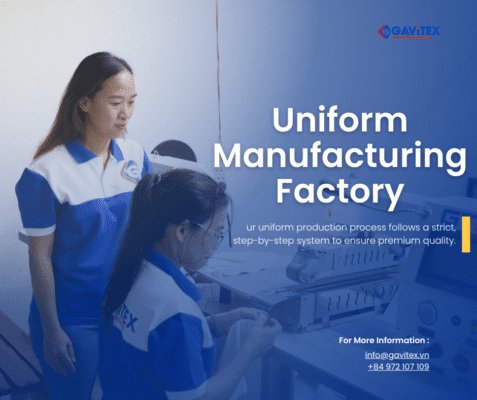


garment manufacturers in Vietnam play a pivotal role in the global apparel industry, offering competitive advantages such as cost-effectiveness, high-quality production, and a skilled workforce. As the demand for sustainable and ethically produced clothing continues to rise, understanding the landscape of garment manufacturing in Vietnam becomes increasingly essential for businesses seeking reliable partnerships and innovative solutions.
In this article, we will explore the various aspects of garment manufacturing, including the latest trends, major players, and the impact of technology on production processes. Additionally, we will highlight the benefits of outsourcing to Vietnamese manufacturers, such as their adaptability to market changes and commitment to quality standards.
By delving into the intricacies of this industry, readers will gain valuable insights into key factors such as production capacity, lead times, and compliance with international regulations, empowering them to make informed decisions when choosing a garment manufacturing partner.
<h2>Overview of Garment Manufacturing in Vietnam</h2>
Vietnam has emerged as a global leader in the garment manufacturing sector, with a significant contribution to the country's economy and employment. The **garment manufacturers in Vietnam** are known for their ability to produce a wide range of clothing products, from basic apparel to high-end fashion items. This growth is attributed to various factors, including competitive labor costs, a favorable trade environment, and the increasing demand for quality garments in international markets.

The garment manufacturing industry in Vietnam has witnessed remarkable growth over the past few decades. In 2022, the country exported approximately **$39 billion** worth of textiles and garments, making it one of the top exporters globally. This booming industry not only supports millions of jobs but also attracts foreign investment, with many international brands establishing partnerships with local manufacturers. The presence of large factories and a skilled workforce further enhances Vietnam's reputation as a reliable sourcing destination for global apparel brands.

Key regions for garment production in Vietnam include Ho Chi Minh City, Hanoi, and the Mekong Delta, where numerous factories are strategically located to optimize logistics and distribution. The industry is characterized by a combination of large-scale manufacturers and smaller workshops, allowing for versatility in production capabilities. Many **garment manufacturers in Vietnam** adhere to international labor standards, ensuring ethical practices and sustainability in their operations, which is increasingly important to global consumers.

In summary, the garment manufacturing sector in Vietnam is a vital part of the economy, driven by its ability to adapt to market demands and maintain competitive advantages. As the industry continues to evolve, it remains an attractive option for businesses looking to source quality products at a reasonable cost.
Key Factors to Consider When Choosing a Garment Manufacturer
When selecting garment manufacturers in Vietnam, several key factors are pivotal to ensure a successful partnership. First and foremost, understanding the manufacturer’s production capacity is essential. A manufacturer’s ability to handle your order volume, meet deadlines, and scale production as needed can significantly impact your supply chain efficiency. For instance, manufacturers with advanced machinery and skilled labor can often deliver higher outputs compared to smaller facilities.
Another critical aspect is the quality of materials used in production. The choice of fabrics and raw materials directly affects the final product’s durability and appeal. Reputable Vietnamese manufacturers often source high-quality materials, such as cotton, silk, and synthetic blends, ensuring that the finished garments meet international standards. Checking for certifications like OEKO-TEX or GOTS can also guarantee that materials are safe and environmentally friendly.
Pricing structures play a significant role in the decision-making process as well. It’s important to compare quotes from various manufacturers, factoring in not only the base cost per unit but also additional expenses such as shipping, customs, and potential tariffs. An effective way to approach this is to request detailed breakdowns of costs to understand where savings can be made without compromising quality.
Furthermore, compliance with international labor standards is another crucial consideration. Ethical manufacturing practices are increasingly important to consumers and businesses alike. Ensure that the manufacturer adheres to fair labor standards, providing safe working conditions and fair wages for employees. Verifying compliance with standards like SA8000 can help mitigate risks associated with unethical labor practices.
Additionally, the manufacturer’s experience and reputation in the industry cannot be overlooked. Manufacturers with a proven track record often have established relationships with suppliers and clients, which can enhance reliability and trust. Researching reviews and testimonials from previous clients can provide insights into the manufacturer’s performance and customer service.
Lastly, it’s beneficial to consider the flexibility and communication capabilities of the manufacturer. Effective communication can streamline the production process, allowing for quick adjustments and feedback. A manufacturer that is responsive and adaptable to your needs will foster a more collaborative working relationship, ultimately leading to better outcomes.
By taking these factors into account, businesses can make informed decisions when selecting garment manufacturers in Vietnam, ensuring that their needs are met while maintaining high standards in quality, ethics, and communication.

<h2>Major Garment Manufacturers in Vietnam</h2>
Vietnam has established itself as a leading hub for **garment manufacturers** in Southeast Asia, attracting numerous global brands and retailers. The country's garment industry is characterized by a mix of large-scale factories and smaller enterprises, all contributing to the booming export market. Major **garment manufacturers in Vietnam** include well-known names such as *Vinatex*, *Hòa Thọ*, and *TNG Investment and Trading JSC*. These companies are pivotal in shaping the landscape of textile production and export in the region.

One of the largest players, *Vinatex*, operates under the Vietnam National Textile and Garment Group. It boasts a vast network of factories and production facilities, employing thousands of workers. The company's commitment to quality and sustainability has made it a preferred partner for many international brands. Similarly, *Hòa Thọ* is noted for its specialization in knitwear and has garnered a reputation for innovative designs and high-quality products, catering to both domestic and foreign markets.

In addition to these giants, *TNG Investment and Trading JSC* stands out as a significant manufacturer due to its diverse product range, including sportswear and casual clothing. This company has successfully penetrated various international markets, including the United States and Europe, showcasing the competitiveness of Vietnamese garments.

Moreover, several foreign-invested enterprises have also made their mark in Vietnam, such as *Nike* and *Adidas*, which have established factories in the country. These brands not only contribute to the local economy but also help in elevating the standards of manufacturing in Vietnam through advanced technologies and strict quality control processes.

The **garment manufacturing** sector in Vietnam is supported by a robust supply chain, which includes local suppliers of fabrics and materials. This local sourcing capability enhances the efficiency of production and reduces lead times. The government also plays a critical role in facilitating growth by providing incentives and improving infrastructure, further solidifying Vietnam's position as a key player in the global garment industry.

In conclusion, the diverse landscape of **major garment manufacturers in Vietnam** reflects the country's commitment to quality, innovation, and sustainable practices. As the industry continues to evolve, these manufacturers are expected to remain at the forefront of textile production, adapting to global trends and consumer demands.
The Process of Garment Manufacturing in Vietnam
The process of garment manufacturing in Vietnam is a multi-step operation that involves several key stages, each contributing to the overall efficiency and quality of the final product. Understanding this process is essential for businesses seeking to collaborate with garment manufacturers in Vietnam. The production cycle typically begins with design and prototyping, followed by material sourcing, cutting, sewing, finishing, and quality control.
Initially, the design phase focuses on creating patterns and prototypes. Designers collaborate with brands to develop styles that align with market trends and consumer preferences. This step often involves the use of advanced software tools to create digital patterns, which streamlines the transition to production. For example, brands like Nike and Adidas utilize local manufacturers for prototype testing, ensuring they meet design specifications before mass production begins.
Once the design is finalized, the next crucial step is material sourcing. Vietnamese manufacturers often source high-quality fabrics from both domestic and international suppliers. The selection of materials directly impacts the garment’s durability and appeal. For instance, Vietnam is known for its cotton and synthetic blends, which are crucial for producing comfortable and stylish apparel.
The cutting process follows, where fabric is laid out and cut according to the patterns created in the design phase. Precision is vital in this stage, as inaccuracies can lead to wastage and increased costs. Modern manufacturers employ automated cutting machines to enhance accuracy and efficiency. According to data from the Vietnam Textile and Garment Association, the use of automation in cutting has reduced fabric waste by up to 20%.
Sewing is the next stage, where skilled workers assemble the garments. Vietnam’s workforce is renowned for its craftsmanship, with many workers trained in specialized sewing techniques. This skillset contributes to the high-quality finish of the garments produced. The sewing process can vary in complexity depending on the garment type, with intricate designs requiring meticulous attention to detail.
After sewing, garments undergo finishing processes, which may include washing, ironing, and adding labels or embellishments. This stage is essential for enhancing the product’s aesthetic appeal and ensuring it meets retail standards. Finishing touches significantly influence consumer perception, making this phase critical for market success.
Quality control is implemented throughout each stage of the manufacturing process. Manufacturers adhere to strict quality standards to ensure that every product meets both domestic and international regulations. Regular inspections are conducted to identify defects early, thus reducing returns and enhancing customer satisfaction. The International Organization for Standardization (ISO) provides guidelines that many Vietnamese manufacturers follow to maintain quality across their production lines.
In summary, the process of garment manufacturing in Vietnam encompasses several meticulous stages, from design to quality control. Each step is integral to producing high-quality garments that meet market demands. Understanding this process can help businesses make informed decisions when selecting garment manufacturers in Vietnam, ultimately contributing to successful partnerships and sustainable growth in the apparel industry.

Cost Considerations for Garment Production in Vietnam
When evaluating garment manufacturers in Vietnam, one of the most critical components to consider is the overall cost of production. Understanding the various elements that contribute to production costs can help businesses make informed decisions and optimize their supply chain. Key factors include labor costs, materials, overhead, and shipping expenses, all of which significantly impact the final price of garments.
Labor costs in Vietnam are generally lower than in many Western countries, making it an attractive destination for garment manufacturing. The average wage for workers in the textile and garment industry is approximately $200 to $300 per month, depending on the region and skill level. This affordability allows manufacturers to maintain competitive pricing while still ensuring quality output. However, it is essential to consider the rising labor costs as the industry evolves and workers demand better wages and working conditions.
Another crucial factor is material costs, which can fluctuate based on global market trends. Vietnam is increasingly known for sourcing high-quality fabrics, but prices can vary widely based on the type and quality of materials used. For instance, organic cotton or specialized synthetic fabrics may incur higher costs, affecting the overall budget. Businesses should conduct thorough research to understand the best suppliers and negotiate favorable terms to manage these expenses effectively.
Overhead costs also play a significant role in the pricing structure of garment production. These include expenses related to utilities, factory maintenance, and equipment procurement. Manufacturers must invest in modern machinery to enhance efficiency and maintain quality standards, which can increase initial costs but lead to long-term savings and improved output.
Additionally, shipping and logistics are vital considerations in the cost equation. Vietnam’s strategic location offers proximity to major shipping routes, but transportation costs can vary depending on the destination and shipping method. Companies need to evaluate the most cost-effective ways to ship their products while considering lead times and reliability.
In summary, when choosing garment manufacturers in Vietnam, it is crucial to assess the comprehensive cost structure, including labor, materials, overhead, and logistics. By carefully analyzing these factors, businesses can ensure they collaborate with manufacturers that align with their budgetary constraints while maintaining high-quality production standards.

<h2>Quality Control Standards in Vietnamese Garment Manufacturing</h2>

Quality control standards in Vietnamese garment manufacturing are essential for ensuring that products meet international expectations for quality, safety, and sustainability. **Garment manufacturers in Vietnam** emphasize comprehensive quality control measures to enhance competitiveness in the global market. These standards are crucial for maintaining brand reputation and customer satisfaction, leading to repeat business and long-term partnerships.

A cornerstone of quality control in the Vietnamese garment industry is the implementation of international standards such as ISO 9001 and WRAP (Worldwide Responsible Accredited Production). These frameworks guide manufacturers in establishing structured processes for production, from sourcing raw materials to final inspections. For instance, companies like **Vinatex** and **Garco 10** adopt these standards to streamline their operations and ensure compliance with both domestic and international regulations.

In addition to adhering to international standards, Vietnamese garment manufacturers employ various quality assurance techniques throughout the production process. This includes conducting regular inspections at different stages, such as pre-production, in-line, and final inspections. By utilizing statistical quality control methods, manufacturers can identify defects early and implement corrective actions promptly. According to a report by **Vietnam Textile and Garment Group**, the industry has seen a reduction in defect rates by up to 30% through rigorous inspection protocols.

Moreover, the rising demand for sustainable and eco-friendly practices has led to the incorporation of environmental quality standards. Manufacturers are increasingly adopting practices that minimize waste and reduce environmental impact, aligning with global sustainability goals. For example, **Hoang Dung Textile** has integrated eco-friendly materials and processes, thereby enhancing their quality control measures while also appealing to environmentally conscious consumers.

Training and development of personnel also play a vital role in maintaining quality control standards. Continuous training programs ensure that workers are equipped with the necessary skills to uphold quality measures. According to industry experts, well-trained employees contribute significantly to reducing errors in production, thus enhancing the overall quality of garments produced.

In conclusion, the commitment to quality control standards among **garment manufacturers in Vietnam** is integral to the country's reputation as a reliable source of high-quality apparel. By adhering to international benchmarks, employing rigorous inspection techniques, embracing sustainability, and investing in workforce development, the Vietnamese garment industry is poised to meet the evolving demands of the global market.
Innovations in the Vietnamese Garment Industry
The Vietnamese garment industry is undergoing significant transformations driven by innovations that enhance efficiency, sustainability, and competitiveness. These advancements are crucial for garment manufacturers in Vietnam to meet the evolving demands of the global market. As such, innovations in technology, materials, and processes are reshaping how garments are produced and delivered.
One notable area of innovation is the adoption of smart textiles. These fabrics incorporate technology, allowing for functionalities such as moisture-wicking, temperature regulation, and even embedded sensors for health monitoring. For instance, companies like Vinatex are experimenting with smart textiles that cater to both athletic and everyday wear, effectively blending performance with style. This shift not only attracts tech-savvy consumers but also positions Vietnamese manufacturers as leaders in this emerging sector.
Another significant innovation is the implementation of automation and digitalization throughout the manufacturing process. Utilizing technologies like 3D printing and robotics, garment manufacturers in Vietnam can streamline production, reduce labor costs, and minimize human error. For example, the integration of automated cutting machines has significantly decreased fabric waste, leading to more sustainable practices and lower operational costs. Such advancements allow manufacturers to respond swiftly to market demands, enhancing their competitive edge.
Sustainability is also at the forefront of innovations within the Vietnamese garment industry. Many manufacturers are now focusing on eco-friendly practices, such as utilizing organic materials and adopting waterless dyeing technologies. Companies like TNG Investment and Trading JSC have embraced this shift by producing garments made from recycled materials, thereby reducing their carbon footprint. This not only appeals to environmentally conscious consumers but also aligns with global sustainability goals.
Furthermore, the rise of e-commerce has prompted garment manufacturers to innovate in their supply chain management. Developing robust online platforms and incorporating data analytics allows companies to better understand consumer preferences and optimize inventory management. This shift ensures that manufacturers can swiftly adapt to trends, thereby improving sales and customer satisfaction.
In summary, the Vietnamese garment industry is witnessing a wave of innovations that enhance production efficiency, sustainability, and market responsiveness. By leveraging smart textiles, automation, eco-friendly practices, and e-commerce strategies, garment manufacturers in Vietnam are positioning themselves for future growth in a highly competitive landscape.
Challenges Faced by Garment Manufacturers in Vietnam
The garment manufacturers in Vietnam encounter several significant challenges that impact their operations and competitiveness in the global market. Economic fluctuations play a crucial role, as changes in currency exchange rates and material costs can significantly affect production expenses. For instance, the recent rise in cotton prices has directly influenced the cost of raw materials, forcing manufacturers to either absorb the costs or increase their prices, which could lead to a loss of clients.
Another pressing issue is labor shortages and the demand for skilled workers in the textile industry. As Vietnam’s economy grows, there is an increasing competition for skilled labor, particularly in specialized areas such as design and quality control.
Compliance with international standards is also a significant challenge for garment manufacturers in Vietnam. As the global market becomes more regulated, manufacturers must adhere to strict labor and environmental standards. Failure to comply can result in penalties or loss of contracts from international partners. This is particularly important as buyers increasingly prioritize sustainability and ethical production practices.
Additionally, the impact of technology on the industry cannot be overstated. While automation presents opportunities for efficiency, many Vietnamese manufacturers struggle to integrate advanced technologies into their processes.
Lastly, the intense competition from other garment-producing countries, such as Bangladesh and China, poses a constant threat. These countries often have lower production costs, which can attract buyers away from Vietnamese manufacturers. To mitigate this challenge, Vietnamese companies must focus on enhancing their product quality and innovating their designs to maintain a competitive edge.
In summary, the challenges faced by garment manufacturers in Vietnam are multifaceted, encompassing economic, labor, compliance, technological, and competitive aspects. Addressing these challenges is essential for the sustainability and growth of the industry in an increasingly complex global landscape.
<h2>Future Trends in Vietnam's Garment Manufacturing Sector</h2>

The *future trends* in **Vietnam's garment manufacturing sector** are poised to redefine the landscape of the industry, driven by technological advancements, sustainability initiatives, and shifting consumer preferences. As the demand for quality and efficiency increases, **garment manufacturers in Vietnam** are adapting to these trends to maintain their competitive edge in the global market.

One significant trend is the increasing adoption of *automation and smart manufacturing technologies*. Factories are integrating advanced robotics and artificial intelligence to streamline production processes, reduce labor costs, and enhance precision. For instance, companies like **Vinatex** are investing in automated cutting machines and AI-driven quality control systems, which significantly enhance productivity and minimize waste.

Sustainability is also becoming a crucial focus area within the Vietnamese garment industry. With growing awareness about environmental issues, **garment manufacturers in Vietnam** are prioritizing eco-friendly materials and sustainable production practices. Brands are now more likely to source organic cotton and recycled fibers, and many manufacturers are implementing processes to reduce water and energy consumption. The commitment to sustainability not only meets regulatory requirements but also aligns with the values of environmentally conscious consumers.

Additionally, the shift towards *customization and personalization* in fashion is influencing how manufacturers operate. Consumers are seeking unique and tailored products, prompting **garment manufacturers in Vietnam** to adopt flexible production methods. This trend encourages smaller batch production and the use of digital printing technologies, allowing for quicker turnaround times and greater variety in product offerings.

Moreover, the impact of e-commerce on the garment industry cannot be overlooked. The rise of online shopping has transformed how consumers interact with brands, leading to an increase in direct-to-consumer models. **Garment manufacturers in Vietnam** are exploring partnerships with e-commerce platforms to enhance distribution channels and reach a broader audience. This shift requires manufacturers to be agile and responsive to changing market demands.

As the industry evolves, the emphasis on *skilled labor and workforce development* remains critical. Investing in training programs that enhance workers' skills in areas such as technology use and quality assurance is essential for maintaining high standards in production. Companies are increasingly recognizing that a skilled workforce is a key driver of innovation and competitiveness.

In conclusion, the future of **Vietnam's garment manufacturing sector** is characterized by technological integration, sustainability efforts, customization, e-commerce growth, and workforce development. These trends are shaping the industry’s evolution, enabling **garment manufacturers in Vietnam** to adapt to the dynamic global market and consumer expectations.
For brands looking for a broader production partner, you can also review GOCY’s OEM garment manufacturer in Vietnam page for custom garment manufacturing, sampling and export production guidance.


Đánh giá
Chưa có đánh giá nào.