


Vietnam private label clothing manufacturer is rapidly gaining traction in the global fashion industry, offering businesses a strategic advantage in an increasingly competitive marketplace. As brands seek to differentiate themselves, partnering with a reliable manufacturer in Vietnam not only ensures high-quality production but also provides access to cost-effective solutions that can significantly boost profit margins.
In recent years, Vietnam has emerged as a key player in the realm of private label clothing, attracting attention for its skilled labor force, advanced textile technology, and commitment to sustainable practices. This article will explore the nuances of selecting the right garment factory, the benefits of custom apparel production, and the critical factors that influence successful partnerships in this vibrant sector.
By understanding the landscape of Vietnam’s private label clothing manufacturing, brands can leverage these insights to enhance their market presence, optimize their supply chains, and ultimately drive business growth. Dive into this comprehensive guide to discover how your brand can thrive in the dynamic world of apparel production.
Understanding Vietnam’s Private Label Clothing Manufacturing
Vietnam’s private label clothing manufacturing industry has emerged as a significant player on the global stage, characterized by its ability to provide high-quality apparel at competitive prices. The country boasts a robust textile industry, supported by a skilled workforce and favorable trade agreements, making it an attractive destination for brands looking to create their own clothing lines. Understanding the dynamics of this industry is crucial for businesses aiming to capitalize on Vietnam’s manufacturing capabilities.
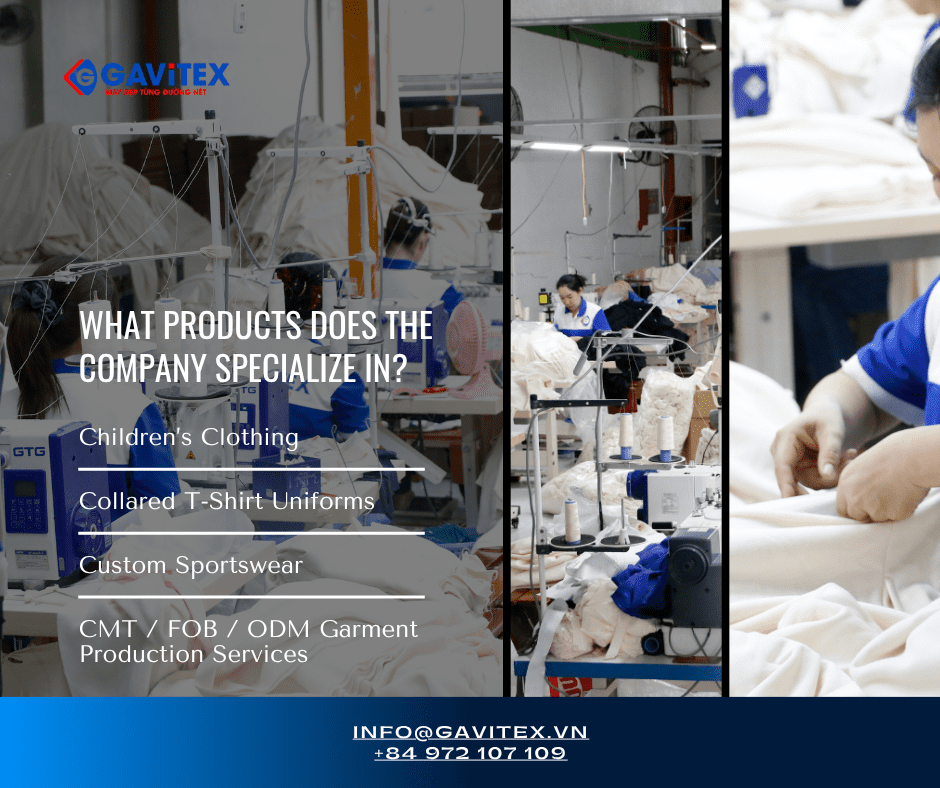
One of the primary aspects of Vietnam’s private label clothing manufacturing is the diversity of production options available. Manufacturers in Vietnam can produce a wide range of clothing types, from casual wear to high-end fashion, catering to various market segments. This versatility allows brands to tailor their products to meet specific consumer demands, increasing their market reach. Furthermore, many manufacturers offer customization options, enabling brands to differentiate their products with unique designs and materials.
In addition to diversity, cost efficiency is a key factor that drives brands to choose Vietnam as their manufacturing hub. Labor costs in Vietnam are relatively lower compared to other countries, such as China or Bangladesh, without compromising on quality. This cost advantage allows brands to maintain competitive pricing while ensuring a good profit margin. According to the Vietnam Textile and Apparel Association, the country ranks among the top textile exporters globally, with exports reaching over $39 billion in 2021, highlighting the industry’s capacity for mass production.
Another important element to consider is the infrastructure and logistics that support Vietnam’s manufacturing sector. The country has invested significantly in improving its transportation networks, including ports and highways, which facilitate the efficient movement of goods. Additionally, Vietnam’s strategic location in Southeast Asia allows for easier access to key markets, particularly in Europe and North America. This logistical advantage is crucial for brands looking to reduce lead times and enhance their supply chain efficiency.
Quality control standards in Vietnam are increasingly aligned with international benchmarks, with many manufacturers implementing rigorous testing and certification processes. Brands can benefit from partnering with manufacturers that prioritize quality management systems, ensuring that the final products meet their specifications and comply with safety regulations. This commitment to quality not only enhances brand reputation but also minimizes the risk of returns and customer dissatisfaction.
In summary, understanding Vietnam’s private label clothing manufacturing involves recognizing its diverse production capabilities, cost advantages, robust infrastructure, and commitment to quality. By leveraging these strengths, brands can effectively establish their presence in the competitive apparel market and build successful private label lines that resonate with consumers.
<h2>Benefits of Choosing a Vietnam Private Label Clothing Manufacturer</h2>
Vietnam has emerged as a prominent hub for **private label clothing manufacturing**, offering numerous advantages for brands looking to establish their presence in the global market. Choosing a **Vietnam private label clothing manufacturer** can significantly enhance a brand's operational efficiency and product quality.

One of the primary benefits is cost-effectiveness. Vietnam's competitive labor costs and favorable trade agreements allow manufacturers to produce high-quality garments at lower prices compared to many Western countries. This affordability enables brands to maintain healthy profit margins while offering attractive pricing to consumers. Furthermore, the Vietnamese government has implemented policies to attract foreign investment, further reducing production costs and facilitating smoother business operations.

Another significant advantage is the expertise and craftsmanship found within Vietnam's textile industry. The country boasts a skilled workforce with a long-standing tradition in garment manufacturing. This expertise translates into superior quality products, as manufacturers are well-versed in various techniques and materials. Many **Vietnam private label clothing manufacturers** adhere to international quality standards, ensuring that brands receive products that meet global expectations.

Additionally, Vietnam's strategic location in Southeast Asia provides easy access to major shipping routes. This logistical advantage accelerates the supply chain, allowing for quicker turnaround times. Brands can respond swiftly to market demands, reducing lead times and enhancing their competitive edge. The proximity to other manufacturing hubs in Asia also facilitates collaboration and sourcing of diverse materials.

Moreover, the increasing focus on sustainable practices in Vietnam's clothing manufacturing sector is noteworthy. Many manufacturers are adopting eco-friendly materials and ethical production methods, aligning with the growing consumer demand for sustainable fashion. This commitment to sustainability not only enhances brand reputation but also attracts environmentally conscious consumers.

Finally, establishing a partnership with a **Vietnam private label clothing manufacturer** can foster innovation. Many manufacturers invest in research and development to create unique designs and styles tailored to specific market needs. This collaborative approach allows brands to differentiate themselves in a crowded marketplace, driving customer loyalty and increasing sales.

In conclusion, the benefits of choosing a **Vietnam private label clothing manufacturer** are manifold, encompassing cost savings, quality craftsmanship, logistical advantages, sustainability, and innovative collaboration. These factors position Vietnam as an ideal partner for brands seeking to thrive in the competitive clothing industry.
Key Factors to Consider When Selecting a Manufacturer in Vietnam
When selecting a Vietnam private label clothing manufacturer, several key factors must be carefully considered to ensure a successful partnership. These factors range from the manufacturer’s experience and specialization to their production capabilities and compliance with international standards. Each aspect plays a crucial role in determining the overall quality and efficiency of the manufacturing process.
Firstly, manufacturing experience is paramount. Companies with a proven track record in private label clothing production are more likely to deliver high-quality products. For example, manufacturers with over ten years of experience often possess refined techniques and a better understanding of market trends, which can directly benefit your brand. This experience also entails familiarity with various fabrics, styles, and production methods that can enhance your product offerings.
Secondly, the manufacturer’s specialization should align with your brand’s vision. Not all manufacturers are equipped to produce every type of clothing. For instance, if your brand focuses on eco-friendly apparel, partnering with a manufacturer that specializes in sustainable materials and practices is essential. This alignment not only ensures product quality but also enhances brand credibility in the eyes of consumers.
Another critical factor is the production capacity of the manufacturer. Assessing whether the manufacturer can meet your order volumes consistently is vital. A manufacturer with extensive production capabilities and the ability to scale operations can accommodate your brand’s growth without compromising on quality or delivery timelines. This is particularly important during peak seasons when demand may surge unexpectedly.
Quality control practices are also vital to consider. A manufacturer that adheres to strict quality control standards will not only meet your specifications but also reduce the likelihood of defects and returns. Understanding their quality assurance processes, including inspections and testing methods, can provide insights into their commitment to excellence. Brands should seek manufacturers that are willing to provide samples for evaluation before committing to large orders.
Additionally, assessing the communication and support from the manufacturer is crucial for a smooth collaboration. Effective communication can help resolve issues promptly and ensure that both parties are aligned on expectations. A responsive manufacturer who is willing to engage in regular updates and discussions about production timelines or design modifications can significantly enhance the working relationship.
Lastly, evaluating the cost structure and payment terms is essential. While choosing a manufacturer based solely on cost can be tempting, it is important to consider the value provided. A transparent pricing structure that outlines all costs involved, including potential hidden fees, helps in making an informed decision. Additionally, flexible payment terms can ease financial pressure, especially for small and medium-sized brands.
In conclusion, selecting the right Vietnam private label clothing manufacturer requires a comprehensive evaluation of various factors, including experience, specialization, production capacity, quality control, communication, and cost. Taking the time to assess these elements can lead to a fruitful partnership that supports your brand’s growth and reputation in the marketplace.
The Process of Working with Vietnam Private Label Clothing Manufacturers
Engaging with a Vietnam private label clothing manufacturer involves a systematic process that ensures both parties are aligned in terms of expectations, quality, and delivery timelines. The initial step in this process is to thoroughly research and identify potential manufacturers who specialize in your desired product category. This includes evaluating their capabilities, production capacity, and expertise in fabric types and garment construction. Having a clear understanding of your own brand’s needs and target market will facilitate this selection.
Once you have shortlisted several manufacturers, the next step is to initiate communication. This stage is crucial for establishing rapport and understanding the manufacturer’s work ethic. During this phase, it’s essential to discuss your product specifications, including materials, design concepts, and any unique requirements. A well-prepared tech pack, which includes detailed designs, measurements, and fabric swatches, can greatly enhance this discussion. This document serves as a blueprint that guides the manufacturer in producing your products accurately.
After agreeing on the specifications, the manufacturer will typically provide a sample for approval. This sample is vital as it reflects the quality and craftsmanship that you can expect in the final production run. It’s advisable to conduct a thorough review of the sample, focusing on details such as stitching, fabric quality, and overall fit. Any necessary adjustments should be communicated clearly to ensure that the final product meets your standards.
Once the sample is approved, the next phase is to finalize the production agreement. This contract should outline critical aspects such as pricing, lead times, payment terms, and quality control measures. A well-structured agreement protects both parties and sets clear expectations for the manufacturing process. It’s also essential to discuss logistics, including shipping methods and timelines, which are crucial for ensuring timely delivery to your market.
As production commences, consistent communication with the manufacturer is key. Regular updates on production status can help mitigate potential issues that may arise during the manufacturing process. Many manufacturers in Vietnam are open to providing updates through digital platforms, allowing for real-time monitoring. This transparency is beneficial for maintaining the quality and timeliness of your order.
Quality control is another significant aspect of the manufacturing process. Most reputable Vietnam private label clothing manufacturers implement strict quality assurance protocols to ensure that each batch of clothing meets industry standards. You may also choose to conduct an independent quality inspection before shipment to ensure that the products align with your specifications. This proactive approach can save time and resources by addressing any discrepancies before the products reach your market.
In conclusion, the process of working with Vietnam private label clothing manufacturers is a structured journey that requires careful planning, clear communication, and strategic partnerships. By following these steps, brands can successfully navigate the complexities of garment production in Vietnam and establish a successful manufacturing relationship.
Quality Control Standards in Vietnam Clothing Manufacturing
Quality control standards play a crucial role in ensuring that products from a Vietnam private label clothing manufacturer meet the expectations of global markets. In Vietnam, these standards are shaped by a combination of international regulations, local practices, and customer requirements. Effective quality control not only enhances product reliability but also builds trust between manufacturers and brands.
Firstly, Vietnamese manufacturers adhere to several internationally recognized quality management frameworks, such as ISO 9001. This certification ensures that the manufacturing processes are consistently monitored and improved, leading to high-quality outputs. For example, a factory that has achieved ISO certification demonstrates its commitment to maintaining quality standards throughout production, from fabric selection to final inspection. This systematic approach is essential for brands aiming to establish themselves in competitive markets.
Moreover, the use of advanced technologies and methodologies is increasingly common in the Vietnamese clothing industry. Techniques such as Six Sigma and Lean Manufacturing are being adopted to minimize defects and reduce waste. These methods not only enhance efficiency but also ensure that products meet specific quality benchmarks. For instance, implementing Lean principles can help a manufacturer streamline its processes, resulting in better-quality garments delivered to clients in a timely manner.
Another critical aspect of quality control is the implementation of rigorous inspection protocols at various stages of production. Most reputable Vietnam private label clothing manufacturers conduct in-line inspections, final random inspections, and quality audits to ensure that every piece of clothing meets predetermined specifications. These inspections typically involve checking for fabric defects, stitching quality, and overall garment construction. By establishing a comprehensive quality assurance system, manufacturers can quickly identify and rectify issues before products reach the market.
In addition to internal quality checks, many manufacturers collaborate with third-party inspection agencies to gain an objective assessment of their products. This practice not only reinforces quality assurance but also provides an additional layer of credibility. For brands looking to enter international markets, having third-party validation can be a significant advantage in establishing trust with consumers.
Furthermore, sustainability and ethical practices have become important components of quality control in the Vietnamese clothing sector. Many manufacturers are now integrating sustainable materials and practices into their production processes. This shift not only aligns with global consumer trends but also enhances the overall quality and appeal of the products. For example, using organic fabrics or recycled materials can significantly improve the perception of a brand and its products in the eyes of environmentally conscious consumers.
In conclusion, understanding the quality control standards in Vietnam clothing manufacturing is essential for brands looking to partner with local manufacturers. By prioritizing quality through established certifications, innovative practices, rigorous inspections, and sustainable measures, companies can ensure that their private label clothing lines are not only competitive but also resonate well with their target audiences.
Trends in Private Label Clothing: What to Expect from Vietnam
The landscape of private label clothing manufacturing in Vietnam is rapidly evolving, influenced by consumer demand, technological advancements, and global market trends. Vietnam private label clothing manufacturers are increasingly adapting to these changes, offering innovative solutions that align with market expectations. In the coming years, we can anticipate several key trends shaping the industry.
One significant trend is the rise of sustainable and eco-friendly practices. As consumers become more environmentally conscious, brands are seeking manufacturers who prioritize sustainability in their production processes. This shift includes using organic materials, reducing waste, and implementing eco-friendly dyes. Manufacturers in Vietnam are responding to this demand by investing in sustainable technologies and practices, positioning themselves as leaders in this essential market niche.
Additionally, the integration of technology in the manufacturing process is transforming how private label clothing is produced. Automation, AI-driven design software, and advanced supply chain management tools are enhancing efficiency and reducing lead times. Vietnamese manufacturers are increasingly leveraging these technologies to streamline operations and improve product quality. This technological advancement not only meets the expectations of modern consumers but also boosts the competitiveness of Vietnam as a manufacturing hub.
Another emerging trend is customization and personalization. Consumers are increasingly looking for unique, tailored clothing options rather than mass-produced items. In response, Vietnam private label clothing manufacturers are offering personalized services that allow brands to create distinct products that reflect their identity. This trend not only enhances brand loyalty but also allows manufacturers to differentiate themselves in a crowded marketplace.
Furthermore, the focus on ethical labor practices is gaining prominence. Brands are now more vigilant about the working conditions within their supply chains. Vietnamese manufacturers are thus placing greater emphasis on transparency and fair labor practices to attract brands that prioritize ethical sourcing. This commitment to ethical manufacturing will likely play a critical role in shaping the industry’s reputation and future growth.
In conclusion, the trends in private label clothing manufacturing in Vietnam are leaning towards sustainability, technological innovation, customization, and ethical practices. As the industry continues to evolve, manufacturers who embrace these trends will be well-positioned to meet the demands of global brands and consumers alike.
How to Build a Successful Partnership with Your Manufacturer
Building a successful partnership with a Vietnam private label clothing manufacturer is essential for ensuring a smooth production process and achieving business goals. Establishing a strong relationship involves open communication, mutual understanding, and shared objectives. By fostering trust and collaboration, brands can navigate the complexities of the manufacturing process more effectively.
One key aspect of developing this partnership is clear communication. It is vital to articulate your vision, expectations, and requirements to the manufacturer clearly. Providing detailed specifications, including fabric choices, design elements, and quality standards, minimizes misunderstandings. Regular updates and feedback sessions can further enhance clarity, allowing both parties to stay aligned throughout the production process.
Another important element is cultural understanding. Vietnam has a unique business culture that emphasizes relationships and trust. Investing time in understanding local customs and practices can significantly improve interactions with your manufacturer. For instance, demonstrating respect for their traditions and being patient in negotiations can create a more amicable environment, fostering a collaborative spirit.
Setting mutual goals is also crucial for a successful partnership. Both parties should agree on key performance indicators (KPIs) that reflect shared objectives. These might include production timelines, quality benchmarks, or sustainability goals. By aligning on these metrics, you ensure that both the brand and the manufacturer are working towards the same outcomes, which can lead to increased efficiency and satisfaction.
Flexible problem-solving is another critical aspect of partnership building. Challenges such as production delays or quality issues may arise, but how these are handled can define the relationship. Approaching problems collaboratively and being open to alternative solutions can strengthen trust and demonstrate commitment to the partnership. For example, if a production issue occurs, discussing potential remedies together can lead to innovative solutions that benefit both parties.
Lastly, regular evaluation and feedback mechanisms are necessary for continuous improvement. Establishing periodic reviews to assess performance against agreed-upon KPIs can help identify areas for enhancement. Constructive feedback should be given and received in a manner that encourages growth and collaboration. This not only improves the partnership but also enhances overall product quality and satisfaction for end consumers.
In summary, building a successful partnership with a Vietnam private label clothing manufacturer requires clear communication, cultural understanding, mutual goal-setting, flexible problem-solving, and regular evaluation. By focusing on these aspects, brands can cultivate a productive and lasting relationship that drives success in the competitive clothing market.
Cost Analysis: Is Manufacturing in Vietnam Worth It?
When considering a Vietnam private label clothing manufacturer, understanding the cost implications is crucial for any business looking to optimize its supply chain and improve profit margins. Manufacturing in Vietnam can offer competitive pricing, but it is essential to analyze various factors that contribute to the overall cost structure, including labor, material, logistics, and compliance with quality standards.
One of the primary advantages of manufacturing in Vietnam is the lower labor costs compared to Western countries. The average wage for garment workers in Vietnam is significantly lower than in many developed nations, which can translate into reduced production expenses. For instance, as of recent data, the average monthly salary for garment workers in Vietnam is around $200-$300, enabling manufacturers to keep labor costs down while maintaining quality standards. However, it is essential to consider that while labor may be cheaper, the skill level of the workforce can vary, impacting the quality of the final products.
In addition to labor costs, the prices of raw materials also play a significant role in determining the overall manufacturing expenses. Vietnam has access to a wide range of fabric suppliers, which can help businesses source materials at competitive rates. For example, local cotton and synthetic fabric suppliers often provide better pricing than international suppliers due to lower transportation costs. However, businesses must also factor in the potential fluctuations in material prices driven by global market trends, which can impact the overall production budget.
Logistics and shipping costs are another critical component of the cost analysis. Vietnam’s strategic location in Southeast Asia provides easy access to major shipping routes, which can lead to lower freight costs compared to other manufacturing hubs. However, companies must be aware of the potential for increased costs due to customs duties and tariffs when exporting goods to various markets. Understanding these logistics costs is vital for accurate budgeting and forecasting.
Moreover, businesses should not overlook the importance of compliance with quality standards and regulations. Working with a reputable Vietnam private label clothing manufacturer often involves adhering to international quality standards, which may incur additional costs related to inspections and certifications. However, investing in quality control can lead to lower return rates and higher customer satisfaction in the long run, ultimately offsetting initial expenses.
To summarize, the cost analysis of manufacturing in Vietnam reveals a complex landscape that entails evaluating labor, material, logistics, and compliance costs. While the potential for significant savings exists, businesses must conduct thorough research and consider the specific needs of their operations to determine whether partnering with a Vietnam private label clothing manufacturer aligns with their financial goals and quality expectations.
Case Studies: Successful Brands Using Vietnam Private Label Clothing
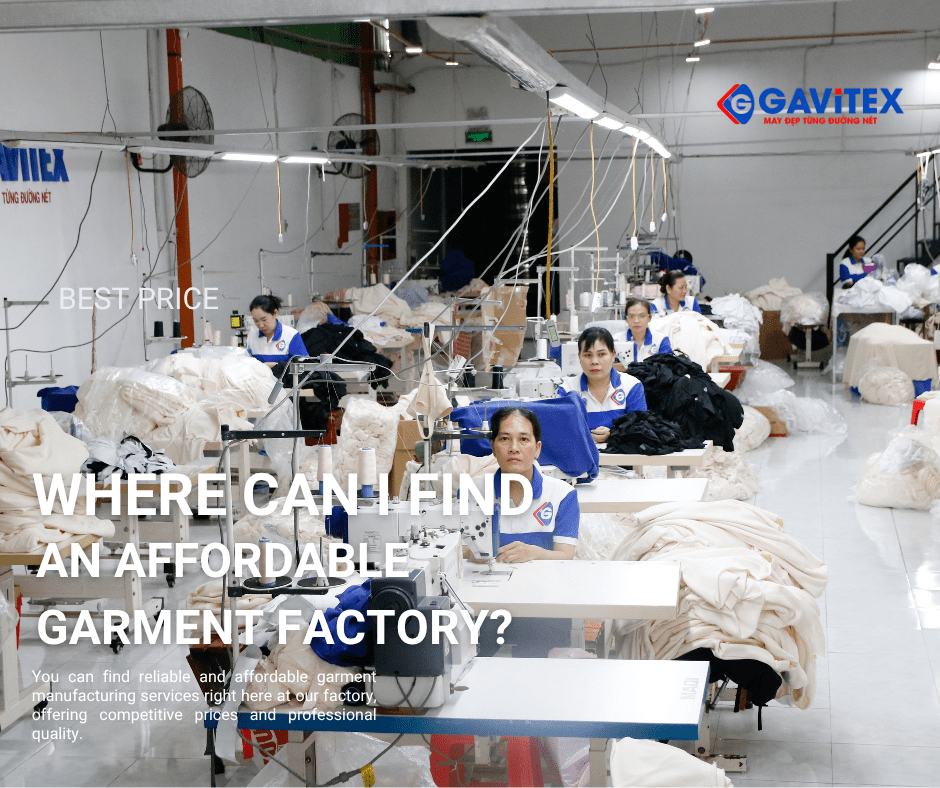
Vietnam has emerged as a hub for private label clothing manufacturing, attracting various global brands seeking high-quality production at competitive prices. This section delves into notable case studies of successful brands that have leveraged Vietnam’s capabilities as a Vietnam private label clothing manufacturer, highlighting their strategies, outcomes, and the unique advantages they experienced.
One prominent example is Zara, a leading fast-fashion retailer, which has strategically partnered with Vietnamese manufacturers to enhance its supply chain flexibility. By utilizing Vietnam’s skilled labor force and efficient production processes, Zara has reduced its lead times significantly. This partnership has allowed Zara to launch new collections rapidly, catering to evolving fashion trends while maintaining cost-effectiveness. The brand’s success in Vietnam exemplifies how efficient collaboration with a private label clothing manufacturer can drive market responsiveness and profitability.
Similarly, Nike has expanded its operations in Vietnam, capitalizing on the country’s strong textile industry. By working closely with local manufacturers, Nike has achieved a notable reduction in production costs while adhering to stringent quality standards. The brand’s commitment to sustainability is also reflected in its partnerships, as many Vietnamese manufacturers are enhancing their eco-friendly practices. Nike’s case illustrates the importance of aligning with manufacturers that not only meet quality expectations but also share a vision for sustainable production.
Another compelling case is that of H&M, which has effectively utilized Vietnam’s manufacturing potential to diversify its product offerings. H&M’s collaboration with local factories enables the brand to produce a wide range of clothing items, from casual wear to premium lines. The efficiency of Vietnamese manufacturers, combined with their ability to meet H&M’s design specifications, has resulted in a robust supply chain that supports the brand’s global reach. H&M’s experience demonstrates how leveraging Vietnam’s manufacturing strengths can enhance product variety and market presence.
In addition to these giants, several emerging brands have found success by partnering with Vietnamese private label clothing manufacturers. For instance, Everlane, a direct-to-consumer clothing brand, has established relationships with local manufacturers to produce ethically made apparel. By focusing on transparency in sourcing and production, Everlane has built a loyal customer base that values quality and ethical considerations. This case highlights how new brands can effectively compete in the market by leveraging Vietnam’s manufacturing expertise to create compelling value propositions.
To summarize, the case studies of Zara, Nike, H&M, and Everlane illustrate the diverse strategies employed by brands that have successfully utilized Vietnam’s private label clothing manufacturing. These examples underscore the importance of quality, sustainability, and responsiveness in building successful partnerships with manufacturers in Vietnam’s dynamic textile industry. By adopting similar approaches, businesses can optimize their production processes and enhance their overall market performance.
Future of Private Label Clothing Manufacturing in Vietnam
As the Vietnam private label clothing manufacturer industry continues to evolve, the future appears promising with significant growth potential. The combination of Vietnam’s competitive labor costs, favorable trade agreements, and an increasing emphasis on sustainability positions the country as a key player in the global private label clothing market. In the coming years, Vietnam is expected to enhance its reputation as a hub for high-quality, cost-effective clothing production, attracting more international brands.
One of the most critical aspects shaping the future of private label clothing manufacturing in Vietnam is the focus on sustainability. Brands are increasingly seeking manufacturers that adhere to environmentally friendly practices. Vietnam is responding to this demand by adopting sustainable production methods, such as using organic materials and implementing eco-friendly dyes. This shift not only meets consumer expectations but also aligns with global trends towards ethical fashion, making Vietnamese manufacturers more attractive for brands aiming to enhance their corporate social responsibility (CSR).
Furthermore, the integration of technology into the manufacturing process is set to revolutionize the industry. Advanced technologies such as automation, artificial intelligence, and data analytics are being increasingly adopted by Vietnamese manufacturers to streamline operations, reduce costs, and improve product quality. For instance, the use of 3D printing in prototyping and production processes allows for rapid iterations and customization, enabling brands to respond swiftly to market trends and consumer preferences.
The skilled workforce in Vietnam plays a significant role in the future of private label clothing manufacturing. The country boasts a young, dynamic population that is increasingly trained in modern textile technologies and manufacturing techniques. As education and training programs improve, the availability of skilled labor will enhance the overall quality of products manufactured in Vietnam, ensuring that brands can maintain high standards while benefiting from competitive pricing.
Additionally, the recent trade agreements signed by Vietnam, such as the EU-Vietnam Free Trade Agreement (EVFTA) and the Comprehensive and Progressive Agreement for Trans-Pacific Partnership (CPTPP), are opening new markets for Vietnamese manufacturers. These agreements reduce tariffs and trade barriers, making it easier for international brands to source products from Vietnam. As a result, we can expect an influx of foreign investment in the Vietnamese garment sector, further accelerating growth and innovation.
In conclusion, the future of private label clothing manufacturing in Vietnam is bright, driven by sustainability initiatives, technological advancements, a skilled workforce, and favorable trade conditions. As the industry evolves, it will continue to attract global brands looking for reliable partners that can deliver quality products while adapting to changing market demands.


Đánh giá
Chưa có đánh giá nào.