

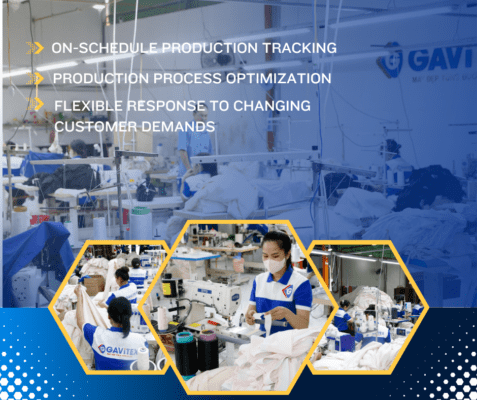

In recent years, Vietnam ODM clothing manufacturers have emerged as key players in the global apparel industry, offering significant advantages in quality, cost-effectiveness, and rapid turnaround times. As businesses increasingly seek reliable partners to meet their production needs, understanding the landscape of manufacturing in Vietnam becomes crucial for brands aiming to thrive in a competitive market.
With a rich history of textile production and a skilled workforce, Vietnam has positioned itself as a go-to destination for companies looking to leverage OEM/ODM services, ensuring that they can deliver customized products that resonate with consumer preferences. This article will explore the essential aspects of partnering with Vietnamese manufacturers, including the benefits of local sourcing, the importance of quality control, and the latest trends in sustainable fashion.
By delving into these key areas, we will provide valuable insights that can help your business make informed decisions, streamline production processes, and ultimately enhance your brand’s presence in the marketplace. Join us as we navigate the intricate world of Vietnam ODM clothing manufacturing and uncover the opportunities that await savvy entrepreneurs and established brands alike.
Overview of Vietnam ODM Clothing Manufacturers
Vietnam has emerged as a prominent player in the global clothing industry, particularly in the realm of ODM (Original Design Manufacturer). This sector is characterized by manufacturers that not only produce garments but also design them, catering to a diverse array of international brands. The country’s strategic position in Southeast Asia, combined with its cost-effective labor force, has made it an attractive destination for brands seeking reliable manufacturing partners.
The Vietnam ODM clothing manufacturer landscape is vast, encompassing various segments including casual wear, sports apparel, and high-fashion garments. Many manufacturers leverage advanced technologies and skilled craftsmanship to meet the increasing demand for quality and innovative designs. For instance, companies like Gocy.vn exemplify the integration of technology in textile production, ensuring adherence to international standards while maintaining competitive pricing.
Vietnamese ODM manufacturers are known for their flexibility and responsiveness to market trends. They can adapt to changing consumer preferences, which is crucial in the fast-paced fashion industry. This adaptability is supported by a robust supply chain network that facilitates efficient sourcing of materials and timely delivery of finished products. Additionally, many manufacturers have established partnerships with local suppliers, which enhances their production capabilities and reduces lead times.
Quality is a cornerstone of Vietnam’s ODM clothing manufacturing. Many factories are equipped with modern machinery and adhere to strict quality control measures, ensuring that the final products meet global standards. Certifications such as ISO and OEKO-TEX are commonly pursued by manufacturers to demonstrate their commitment to quality and sustainability. This focus on quality has helped Vietnamese manufacturers build a reputation for reliability, attracting numerous international clients.
In summary, the overview of Vietnam ODM clothing manufacturers reveals a dynamic industry poised for growth. With a combination of skilled labor, technological advancement, and a commitment to quality, Vietnam stands out as a preferred destination for brands looking to enhance their product offerings through ODM partnerships.
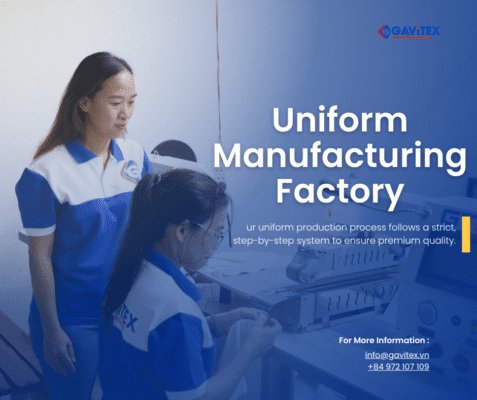
Key Benefits of Choosing Vietnam for ODM Clothing
Vietnam has emerged as a leading destination for ODM clothing manufacturing, offering numerous advantages that make it an attractive choice for businesses looking to outsource their production needs. One of the primary benefits is the competitive cost structure. Vietnamese ODM clothing manufacturers provide high-quality apparel at lower production costs compared to many other countries, driven by lower labor costs and efficient manufacturing processes. This allows brands to maximize their profit margins while maintaining product quality.
Another significant advantage is the skilled workforce available in Vietnam. The country boasts a large pool of skilled laborers with expertise in garment production. Many Vietnamese workers have experience in the clothing industry, and this contributes to the overall quality of the final product. Furthermore, the government has invested in training programs to enhance workers’ skills, ensuring that manufacturers can meet international quality standards.
Vietnam’s strategic geographical location also plays a crucial role in its appeal. Positioned close to major markets such as China, Japan, and South Korea, Vietnamese ODM clothing manufacturers benefit from reduced shipping times and costs. This geographical advantage allows for quicker turnaround times, enabling brands to respond rapidly to market demands and trends, thus enhancing competitiveness.
In addition to competitive costs and skilled labor, Vietnam is known for its commitment to sustainability and ethical manufacturing practices. Many Vietnamese manufacturers are increasingly adopting sustainable practices, including eco-friendly materials and responsible production processes. This aligns with the growing consumer demand for sustainable fashion, making it easier for brands to position themselves as environmentally conscious.
Moreover, the Vietnamese government has established various trade agreements that facilitate easier access to international markets. These agreements help reduce tariffs and encourage foreign investment, further enhancing Vietnam’s attractiveness as an ODM clothing manufacturing hub. Brands can benefit from these favorable trade conditions, making it economically viable to produce their clothing lines in Vietnam.
Lastly, the cultural affinity for fashion and textiles in Vietnam fosters a creative environment for innovation in design and production techniques. Local manufacturers are often willing to collaborate with brands to develop unique and customized products, thereby enhancing brand identity and consumer appeal.
In summary, choosing Vietnam for ODM clothing manufacturing offers compelling benefits, including cost efficiency, a skilled workforce, strategic location, commitment to sustainability, favorable trade agreements, and a vibrant fashion culture. These factors collectively position Vietnam as a top choice for brands seeking reliable and innovative manufacturing solutions.
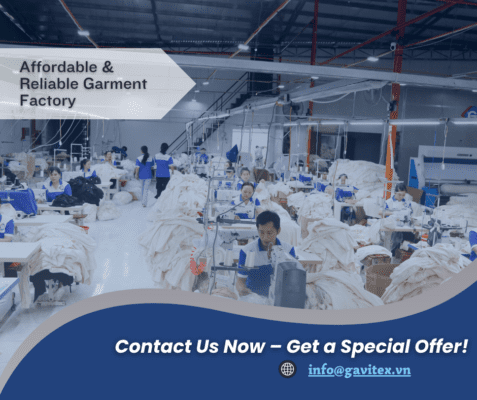
<h2>Understanding the ODM Process in Vietnam</h2>
The **ODM process** in Vietnam, particularly in the context of **Vietnam ODM clothing manufacturers**, involves several critical stages that transform an initial concept into a finished product. This process not only includes design and production but also emphasizes collaboration between manufacturers and brands to ensure that the final output aligns with market demands and consumer preferences. Understanding these stages is essential for businesses looking to leverage Vietnam's strong manufacturing capabilities.

Initially, the **ODM process** begins with **concept development**, where brands communicate their vision and specifications to the manufacturers. This stage often involves sharing design ideas, fabric preferences, and target market insights. The collaboration at this stage is crucial, as it sets the foundation for the entire project. For instance, a clothing brand may provide sketches or design patterns, which the manufacturer interprets into feasible production plans.

Following the concept development, the **sampling phase** takes place. During this stage, manufacturers create prototypes based on the provided specifications. These samples are essential for evaluating the design, fabric quality, and overall aesthetic appeal. The sampling phase can involve multiple iterations, as feedback is exchanged between the brand and the manufacturer to refine the product until it meets the desired standards.

Once the samples are approved, the **production phase** commences. Here, the manufacturer utilizes their infrastructure to produce the clothing items at scale. Vietnamese manufacturers are known for their efficiency and ability to handle large orders, which is a significant advantage for brands looking to enter or expand within the market. The production phase includes rigorous quality control measures to ensure that each item produced adheres to the agreed-upon standards, which is vital in maintaining brand reputation.

After production, the **logistics and delivery** stage is initiated. This involves managing the distribution of finished products to the respective markets. Vietnamese ODM manufacturers often collaborate with logistics providers to ensure timely delivery while also navigating any customs regulations and shipping considerations. This streamlined logistical approach is part of what makes Vietnam an attractive option for international brands.

Finally, the **post-production support** phase includes addressing any issues that may arise post-delivery, such as handling returns or product adjustments. Effective communication and support from the manufacturer during this phase are critical in maintaining a positive partnership and ensuring customer satisfaction.

In summary, the **ODM process** in Vietnam encompasses a comprehensive sequence of stages: concept development, sampling, production, logistics, and post-production support. Each phase is integral to successfully bringing a clothing line from concept to market, showcasing the value of partnering with **Vietnam ODM clothing manufacturers** who understand these dynamics and can deliver high-quality results.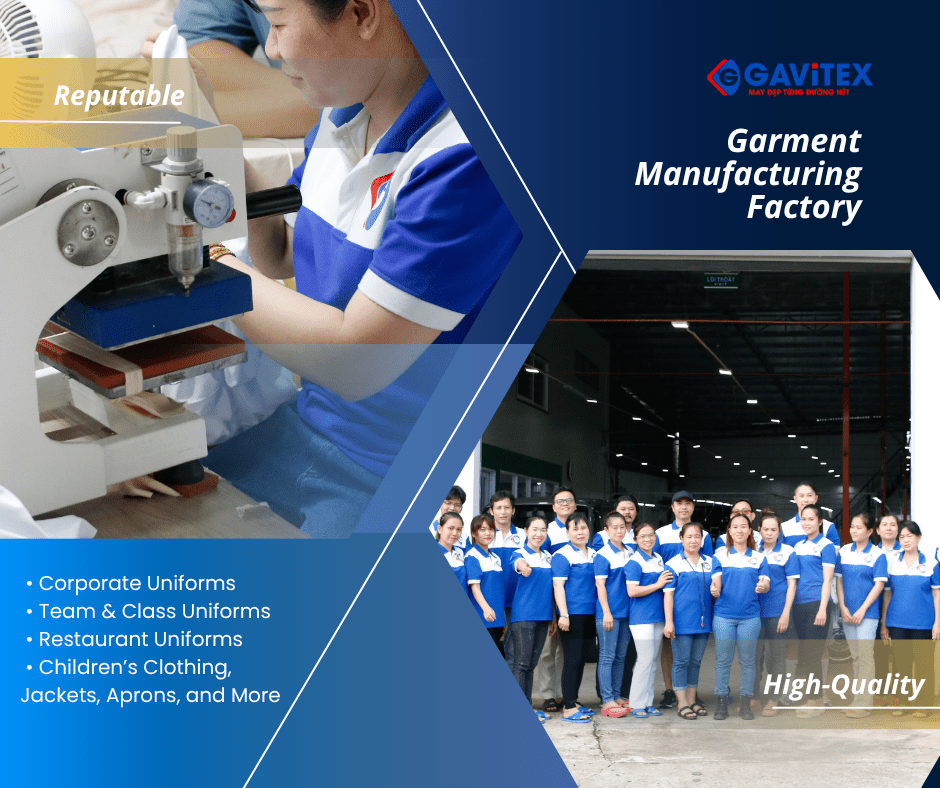
Quality Standards and Certifications for Vietnamese Manufacturers
Vietnamese ODM clothing manufacturers are increasingly recognized for their commitment to high-quality production standards and certifications. Understanding these quality benchmarks is crucial for brands seeking reliable partners in the global garment market. Key quality standards such as ISO 9001, which emphasizes effective quality management systems, and ISO 14001, focusing on environmental management, are widely adopted among manufacturers in Vietnam. These certifications not only enhance product quality but also demonstrate compliance with international standards, reassuring clients of the manufacturers’ capabilities.
In addition to ISO certifications, many Vietnamese manufacturers also adhere to specific industry standards, such as the Global Organic Textile Standard (GOTS) and the OEKO-TEX Standard 100. GOTS certification ensures that textiles are made from organic fibers and comply with stringent environmental and social criteria. Similarly, OEKO-TEX Standard 100 guarantees that textiles are free from harmful substances, making them safe for consumers. These certifications are increasingly important for brands aiming to market their products as environmentally friendly and safe, thereby enhancing their appeal to conscious consumers.
Moreover, the Vietnamese government actively supports the adoption of quality standards across industries, encouraging manufacturers to pursue international certifications. This initiative aligns with Vietnam’s broader strategy to position itself as a competitive hub for garment production in Asia. By investing in quality management and sustainability practices, Vietnamese ODM manufacturers are not only improving their production capabilities but also enhancing their reputation on the global stage.
To further illustrate the commitment to quality, many Vietnamese manufacturers have established in-house testing laboratories equipped with advanced technology. These facilities ensure that products are rigorously tested for durability, colorfastness, and overall performance before reaching the market. This proactive approach minimizes defects and ensures that finished garments meet both domestic and international quality expectations.
In conclusion, the emphasis on quality standards and certifications among Vietnamese ODM clothing manufacturers is a key factor driving the country’s growth in the global apparel market. By adhering to recognized standards and continuously improving their processes, these manufacturers are well-positioned to meet the evolving needs of brands worldwide, ensuring high-quality products that resonate with consumers.
Major Industries and Trends in Vietnam’s ODM Clothing Market
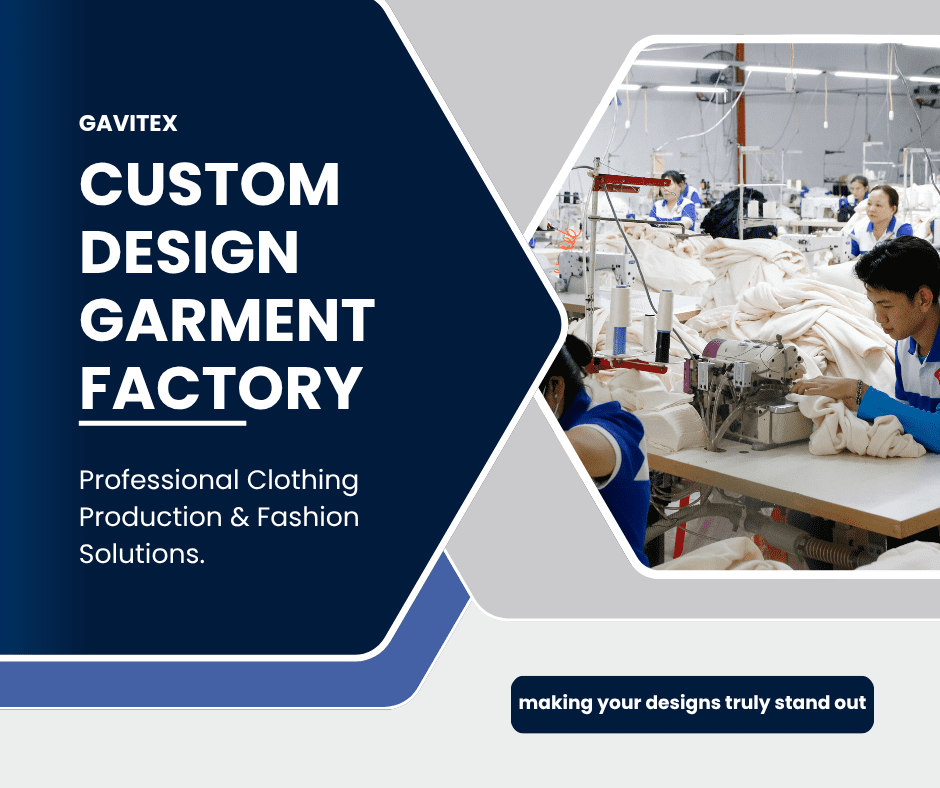
Vietnam’s ODM clothing market has witnessed significant growth, driven by its strategic positioning within major industries. The country has established itself as a key player in the global textile and garment sector, primarily catering to the demands of the fashion and apparel industries. This growth is attributed to a combination of competitive labor costs, skilled workforce, and a rapidly evolving infrastructure that supports efficient manufacturing and export processes.
One of the major industries contributing to Vietnam’s ODM clothing market is fast fashion. Brands like H&M and Zara have increasingly turned to Vietnamese manufacturers to meet their swift production cycles and demand for trendy apparel. This sector thrives on quick turnaround times and a high volume of varied styles, which Vietnamese manufacturers are adept at providing. Moreover, the rise of online retail has further fueled this trend, as brands seek to capitalize on the growing consumer appetite for affordable, stylish clothing.
Another significant industry is sustainable fashion, which is gaining momentum among consumers and brands alike. Vietnamese manufacturers are adapting to this trend by integrating eco-friendly practices and materials into their production processes. For example, several ODM clothing manufacturers in Vietnam are now utilizing organic cotton and recycled materials, aligning with global sustainability goals. This shift not only meets consumer demand but also enhances the brand image of companies committed to environmentally responsible practices.
In addition, the athleisure segment is rapidly growing within Vietnam’s ODM clothing landscape. As health and wellness continue to be prioritized, there is an increasing demand for comfortable, stylish activewear. Vietnamese manufacturers have begun to invest in technology and fabric innovation to produce high-performance garments that meet this trend, which appeals particularly to younger demographics.
Moreover, the influence of digital fashion is becoming increasingly relevant, as technology integrates with clothing design and manufacturing. Concepts such as virtual try-ons and digital fashion shows are reshaping the way consumers interact with brands. Vietnamese ODM manufacturers are beginning to explore these advancements, enhancing their capabilities to remain competitive in an evolving market that blends digital and traditional retail experiences.
In conclusion, the major industries driving Vietnam’s ODM clothing market are diverse, encompassing fast fashion, sustainable fashion, and athleisure, while also embracing technological innovations. These trends not only reflect changing consumer preferences but also highlight the adaptability and resilience of Vietnamese manufacturers, positioning them favorably in the global market.
<h2>How to Select the Right ODM Clothing Manufacturer in Vietnam</h2>

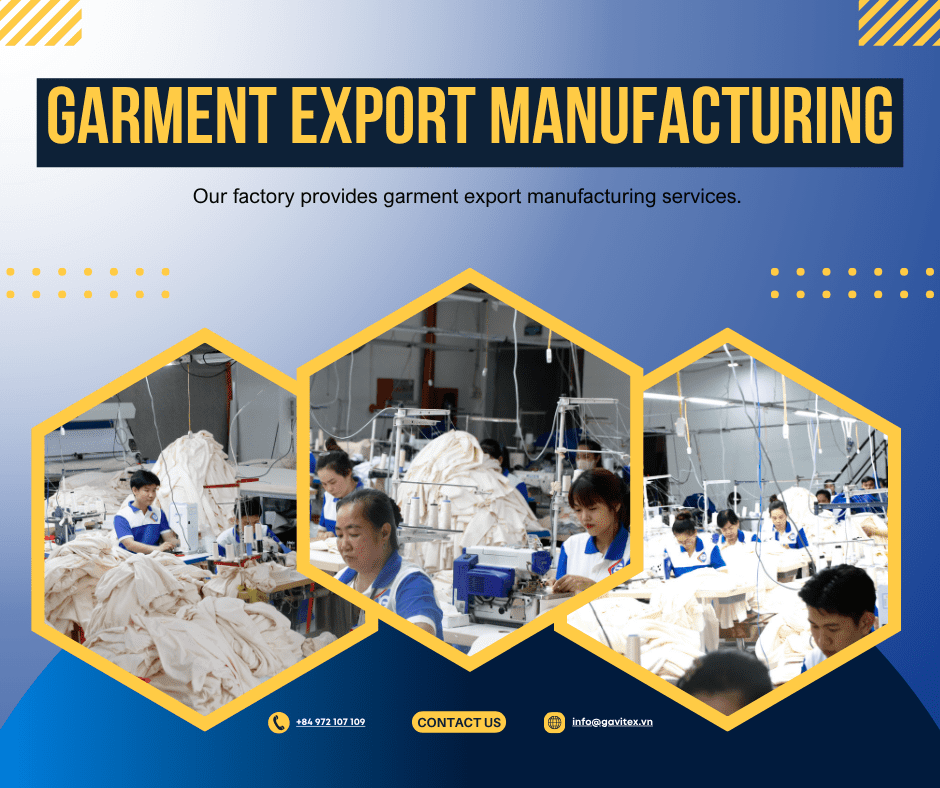
Selecting the right **Vietnam ODM clothing manufacturer** is crucial for the success of your clothing line. A well-chosen manufacturer not only ensures quality production but also aligns with your brand's values and vision. To begin this process, you should assess the manufacturer's experience in your specific market niche. Companies with a proven track record in producing similar products can better understand your requirements and deliver satisfactory results.

Next, consider the manufacturer’s production capacity and capabilities. It's essential to evaluate whether the manufacturer can handle your order volume while maintaining quality standards. Requesting samples is a strategic move, allowing you to assess the quality of materials and craftsmanship firsthand. Additionally, ensure that the manufacturer is equipped with modern technology and skilled labor, which can significantly impact the final product.

Another critical aspect is the manufacturer's compliance with **quality standards** and certifications. Look for certifications such as ISO 9001 or Oeko-Tex, which indicate adherence to international quality and environmental standards. Familiarity with these certifications can help you gauge the manufacturer's commitment to quality and sustainability, which is increasingly important in today's market.

Communication is vital throughout the production process. Establishing a manufacturer who values transparency and quick responses can prevent misunderstandings and delays. Engaging in regular communication helps you stay informed about production timelines and any potential issues that may arise. It’s advisable to schedule visits to the manufacturing facility, if possible, to build rapport and ensure that your expectations align with their capabilities.

Finally, consider the financial aspects, including pricing, payment terms, and shipping costs. While it may be tempting to choose the lowest bidder, it's essential to weigh cost against quality and reliability. A transparent pricing structure will help you avoid unexpected costs and ensure that your project stays within budget. Be sure to discuss payment terms that protect both parties and foster a long-term partnership.

In summary, selecting the right **Vietnam ODM clothing manufacturer** involves thorough research and evaluation of several key factors. By focusing on experience, production capacity, quality standards, communication, and financial terms, you can make a well-informed decision that enhances your brand's potential for success.
Case Studies: Successful ODM Partnerships in Vietnam
In the context of the growing global demand for Vietnam ODM clothing manufacturers, several case studies illustrate the potential for successful partnerships in this vibrant market. These partnerships not only highlight the operational efficiencies of Vietnamese manufacturers but also underscore the quality and innovation they bring to the table.
One notable example is the collaboration between a European fashion brand and a Vietnamese manufacturer specializing in eco-friendly textiles. This partnership enabled the brand to reduce production costs by 30% while adhering to sustainable practices. The Vietnamese manufacturer utilized local resources and expertise, resulting in a product line that not only met international quality standards but also resonated with environmentally conscious consumers. This case exemplifies how leveraging local advantages can lead to significant cost savings and brand differentiation in the competitive fashion industry.
Another successful partnership can be seen in the collaboration between a North American athletic wear company and a Vietnamese ODM manufacturer. The company sought to expand its product range with innovative designs and technical fabrics. By working closely with the Vietnamese manufacturer, they were able to develop a new line of activewear that featured moisture-wicking technology and advanced fabric blends. This partnership not only led to a 40% increase in sales for the brand but also positioned the Vietnamese manufacturer as a leader in athletic apparel manufacturing within the region.
Furthermore, a prominent Australian clothing retailer teamed up with a Vietnamese ODM provider to streamline its supply chain. By implementing a just-in-time (JIT) inventory system, the retailer reduced lead times by 50%, allowing for quicker response to market trends. This efficiency not only improved customer satisfaction but also enhanced the retailer’s ability to launch seasonal collections effectively. The success of this partnership demonstrates the importance of agile manufacturing processes in today’s fast-paced fashion market.
These case studies highlight key aspects of successful ODM partnerships in Vietnam, such as cost efficiency, innovation, and supply chain management. As more brands look to Vietnam for their manufacturing needs, understanding these successful examples can serve as a roadmap for establishing fruitful collaborations in the future. The potential for growth and success in the Vietnamese ODM clothing sector is substantial, making it an attractive destination for global brands aiming to enhance their market presence.
Challenges and Solutions in Working with Vietnamese ODM Manufacturers
Collaborating with Vietnam ODM clothing manufacturers presents both opportunities and challenges. Understanding these challenges is crucial for businesses looking to leverage Vietnam’s growing production capabilities. Key difficulties often include communication barriers, cultural differences, quality control issues, and lead time management.
One significant challenge is communication barriers. Many Vietnamese manufacturers may have limited proficiency in English, which can lead to misunderstandings regarding design specifications or production timelines. To mitigate this issue, companies should consider employing bilingual project managers or utilizing professional translation services to facilitate clearer communication. This approach helps ensure that all parties have a mutual understanding of project requirements and expectations.
Another challenge is navigating cultural differences. The business culture in Vietnam may differ from Western norms, impacting negotiation styles and decision-making processes. For instance, Vietnamese manufacturers often value building relationships and trust before engaging in formal agreements. Businesses should be patient and invest time in establishing rapport to foster a successful partnership. Engaging local consultants or intermediaries can also help bridge cultural gaps and enhance collaboration.
Quality control remains a critical concern when working with Vietnam ODM manufacturers. While Vietnam is known for its skilled labor force, variations in quality standards can occur. To address this, companies should implement stringent quality assurance processes, including regular inspections and audits throughout the production cycle. Collaborating with manufacturers who have established quality certifications, such as ISO standards, can further assure product quality.
Lead time management can also pose challenges, particularly during peak production seasons. Fluctuations in demand can cause delays in order fulfillment. To counter this, businesses should plan their orders well in advance and maintain open lines of communication with manufacturers regarding production schedules. Employing just-in-time inventory strategies can also help in managing lead times effectively.
Finally, while Vietnam offers competitive pricing, hidden costs can arise, such as tariffs, shipping fees, and unexpected delays. A thorough analysis of the total cost of ownership is essential before entering a partnership. Companies should conduct comprehensive research and due diligence to ensure they are aware of all potential expenses involved in working with Vietnamese ODM manufacturers.
In conclusion, while there are various challenges in collaborating with Vietnam ODM clothing manufacturers, proactive strategies can help businesses navigate these obstacles effectively. By focusing on communication, cultural understanding, quality control, lead time management, and cost assessment, companies can build successful and sustainable partnerships in Vietnam’s dynamic clothing market.
Future Trends in Vietnam’s ODM Clothing Industry
The future trends in Vietnam’s ODM clothing industry are set to be transformative, driven by technological advancements, sustainability initiatives, and evolving consumer preferences. As the demand for custom clothing solutions increases, Vietnam ODM clothing manufacturers are positioned to adapt and innovate. This shift will enhance their competitiveness in the global market, particularly as brands seek more agile and responsive supply chains.
One significant trend is the growing emphasis on sustainability. Consumers are increasingly prioritizing eco-friendly practices, prompting manufacturers to adopt sustainable materials and production methods. For instance, the use of organic cotton and recycled fabrics is on the rise. According to a report by Textile Exchange, the market for sustainable textiles is expected to expand significantly, with projections indicating a compound annual growth rate (CAGR) of over 9% from 2021 to 2026. This trend highlights how Vietnamese manufacturers are aligning with global sustainability goals, making them more appealing to environmentally-conscious brands.
Another trend is the integration of smart technology in the manufacturing process. Automation and the Internet of Things (IoT) are revolutionizing production efficiency and quality control. For example, the implementation of smart factories allows for real-time monitoring of manufacturing processes, reducing waste and improving precision. This technological shift not only enhances productivity but also positions Vietnam as a leader in innovative manufacturing solutions.
Furthermore, the rise of e-commerce is reshaping how ODM clothing manufacturers operate. With online shopping becoming a dominant force, manufacturers are increasingly collaborating with brands to create fast fashion lines that cater to rapid consumer demand. This shift towards digital platforms enables quicker turnaround times and greater flexibility in design, allowing manufacturers to respond swiftly to market trends and consumer preferences.
The Vietnamese ODM clothing industry is also witnessing a surge in the demand for customization. Consumers today seek unique and personalized clothing options, leading manufacturers to offer tailored solutions. This trend is evident in the growth of made-to-order services, where brands can provide exclusive designs that resonate with their target audience. By leveraging advanced production technologies, Vietnamese manufacturers can meet these demands effectively, thus enhancing their market appeal.
In conclusion, the future of Vietnam’s ODM clothing industry is characterized by a focus on sustainability, technological innovation, e-commerce adaptation, and customization. As these trends continue to evolve, Vietnam ODM clothing manufacturers will play a crucial role in shaping the global fashion landscape, ensuring they meet the dynamic needs of modern consumers while maintaining competitive advantages.
If you need a wider production scope beyond ODM, you can also explore GOCY’s Vietnam garment manufacturer page covering custom garment manufacturing, OEM support, sampling and export production guidance.


Đánh giá
Chưa có đánh giá nào.