




The CMT clothing manufacturer Vietnam stands at the forefront of the global apparel industry, providing invaluable insights and solutions for businesses seeking high-quality garment production. In a world where fashion trends rapidly evolve, understanding the dynamics of a reliable CMT (Cut, Make, Trim) partner is crucial for brands aiming to maintain competitiveness and ensure customer satisfaction. This article will explore the unique advantages of leveraging Vietnam’s manufacturing capabilities, including cost-efficiency, skilled labor, and an increasingly sophisticated supply chain.
As we delve deeper, we will uncover key aspects of Vietnam’s garment manufacturing landscape, such as the significance of ethical production practices, the impact of technology on efficiency, and how regional trade agreements enhance the competitive edge of Vietnamese manufacturers. By focusing on CMT services, we will highlight the essential factors to consider when selecting a manufacturing partner, from production timelines to quality control measures.
Through this comprehensive overview, readers will gain essential knowledge about the clothing manufacturing process, empowering them to make informed decisions that align with their business goals. Join us as we navigate the intricate world of garment production in Vietnam, where quality meets efficiency in the heart of Southeast Asia.
Understanding CMT Clothing Manufacturing in Vietnam
CMT clothing manufacturing, which stands for Cut, Make, Trim, plays a pivotal role in the garment industry, particularly in Vietnam, where it serves as a backbone for many apparel brands. The process involves three main stages: cutting the fabric into patterns, sewing the pieces together, and trimming excess materials. As a result, CMT clothing manufacturers in Vietnam have gained a reputation for their efficiency and ability to produce high-quality garments at competitive prices.
The significance of CMT manufacturing in the apparel industry cannot be overstated. This model allows brands to focus on design and marketing while leaving production to specialized manufacturers. In Vietnam, this collaboration has led to the growth of a robust textile and apparel sector, which is vital for both domestic and international markets. The country has positioned itself as a key player in global CMT manufacturing, benefiting from a combination of skilled labor, favorable trade agreements, and a strategic geographical location.
Vietnam’s position in global CMT manufacturing is noteworthy. It is one of the top exporters of textiles and garments worldwide, consistently ranking among the leading countries in this sector. This success is attributed to the continuous investment in infrastructure, technology, and workforce training, enabling Vietnamese manufacturers to adapt to evolving market demands.
In summary, understanding CMT clothing manufacturing in Vietnam involves recognizing its definition, importance, and the country’s strategic role in the global apparel industry. With its competitive advantages and commitment to quality, Vietnam continues to attract brands seeking reliable and efficient manufacturing solutions.

Advantages of Choosing Vietnam as a CMT Clothing Manufacturer
Choosing Vietnam as a CMT clothing manufacturer offers numerous advantages that can significantly benefit apparel brands looking to optimize their production processes. The Vietnamese apparel industry has established itself as a key player in global CMT manufacturing, with a robust framework that meets the demands of both quality and cost-effectiveness. This strategic positioning allows brands to leverage various benefits when partnering with local manufacturers.
One of the primary advantages is the competitive labor costs and skilled workforce available in Vietnam. The country boasts a large pool of skilled workers who are adept in sewing and garment production. For instance, the average labor cost in Vietnam is significantly lower than in many Western countries, which enables brands to reduce overall production expenses while maintaining high-quality standards.
Additionally, Vietnam provides access to quality raw materials and sustainable practices. The country has made considerable investments in its textile industry, leading to improved supply chains for cotton, polyester, and other essential materials. Furthermore, many Vietnamese manufacturers are adopting sustainable practices, such as using eco-friendly dyes and materials, which aligns with the growing consumer demand for ethically produced clothing. Brands that choose Vietnam can thus enhance their corporate social responsibility (CSR) initiatives while ensuring quality in production.
Moreover, Vietnam’s strategic location for export markets plays a crucial role in its manufacturing advantages. Situated in Southeast Asia, Vietnam has easy access to major shipping routes, allowing for efficient logistics and reduced shipping times. This geographical advantage enables brands to quickly respond to market trends and consumer demands, enhancing their competitiveness in the global market. For example, Vietnam’s proximity to markets in Asia, Europe, and North America facilitates timely delivery of products, an essential factor in today’s fast-paced fashion landscape.
In summary, the advantages of choosing Vietnam as a CMT clothing manufacturer are multifaceted, encompassing competitive labor costs, skilled workforce, access to quality materials, sustainable practices, and strategic geographical positioning. These benefits not only contribute to cost savings but also support brands in enhancing their market presence and sustainability efforts.

Key Factors to Consider When Selecting a CMT Clothing Manufacturer in Vietnam
Choosing the right CMT clothing manufacturer in Vietnam is crucial for businesses aiming to produce high-quality apparel efficiently. Understanding the key factors in this selection process can significantly impact the overall success of your clothing line. This entails evaluating criteria such as the manufacturer’s experience, production capabilities, and adherence to quality control standards.
Firstly, evaluating manufacturer experience and reputation is essential when selecting a CMT partner. An experienced manufacturer typically indicates a proven track record in delivering quality garments and handling diverse client needs. Researching their portfolio, client testimonials, and industry presence can provide insights into their reliability and quality of service. For instance, manufacturers with extensive experience in working with international brands often have better insights into global market demands and compliance standards.
Secondly, assessing production capabilities and technology is vital for ensuring that the manufacturer can meet your specific production requirements. This includes understanding their machinery, production capacity, and ability to scale operations as needed. A manufacturer utilizing modern technology can offer advantages such as faster turnaround times and improved efficiency. For example, a factory that implements automated cutting systems can reduce fabric waste and enhance precision in garment production, which is particularly beneficial when producing intricate designs.
Moreover, the importance of quality control and compliance cannot be overstated. A reputable CMT manufacturer should have stringent quality control measures in place to ensure that the final products meet both your specifications and international standards. This includes regular quality assessments throughout the production process, from raw material sourcing to final inspection. Furthermore, compliance with ethical manufacturing practices is increasingly important in today’s market. Brands should prioritize manufacturers who adhere to labor laws and environmental regulations, ensuring responsible production that aligns with consumer values.
In summary, selecting a CMT clothing manufacturer in Vietnam requires a comprehensive approach that considers the manufacturer’s experience, production capabilities, and commitment to quality control. By focusing on these key factors, businesses can forge partnerships that enhance their product offerings and optimize their manufacturing processes.

The Process of CMT Clothing Manufacturing
The CMT clothing manufacturing process involves a systematic sequence of steps that transforms raw materials into finished apparel products. This method, which stands for Cut, Make, Trim, is crucial for clothing brands seeking to optimize production efficiency and maintain quality standards. Understanding this process is essential for brands looking to partner with a CMT clothing manufacturer in Vietnam, where expertise and craftsmanship are highly valued.
The initial step in the CMT process is the cutting of fabric, where large rolls of material are sliced into specific patterns and sizes as per design specifications. This stage requires precision to minimize waste and ensure that each piece fits together perfectly. After cutting, the next phase is the making, where skilled workers sew the cut pieces together. This stage emphasizes the importance of a skilled workforce, as the quality of stitching directly impacts the garment’s durability and appearance.
Following assembly, the final step in the CMT process is the trimming, which involves adding finishing touches such as labels, buttons, and zippers. This step not only enhances the garment’s aesthetic appeal but also ensures compliance with brand standards. Effective communication between the manufacturer and the brand is essential throughout this process to ensure that the final product meets the desired specifications.
The role of design and prototyping cannot be overstated in CMT clothing manufacturing. Before mass production begins, brands often create prototypes to test fit and style, allowing for any necessary adjustments. This iterative process helps avoid costly mistakes later in production.
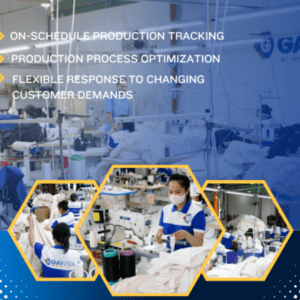
Timely delivery is another crucial aspect of the CMT process. In today’s fast-paced fashion industry, meeting deadlines is vital for maintaining competitive advantage. Manufacturers must have efficient logistics and communication channels in place to ensure that production timelines are met without compromising quality.
In summary, the CMT clothing manufacturing process is a comprehensive approach that integrates cutting, making, and trimming with a strong emphasis on design, quality control, and timely delivery. For brands seeking to leverage the advantages of Vietnamese manufacturers, understanding this process is key to successful collaboration and achieving high-quality apparel outcomes.

Case Studies of Successful CMT Clothing Partnerships in Vietnam
Vietnam has emerged as a significant player in the global CMT clothing manufacturing sector, showcasing successful partnerships that illustrate the benefits and potential of collaborating with local manufacturers. These case studies highlight how brands have leveraged Vietnam’s strengths to enhance their supply chain efficiency and product quality.
One notable example is Nike, which has long partnered with Vietnamese manufacturers to produce a substantial portion of its apparel. The collaboration has enabled Nike to benefit from Vietnam’s competitive labor costs while ensuring a skilled workforce proficient in high-quality manufacturing techniques. This partnership not only emphasizes the quality of Vietnamese craftsmanship but also reflects the brand’s commitment to responsible sourcing and sustainability practices.
Another successful partnership is seen with Adidas, which has invested heavily in Vietnam’s CMT sector. The brand’s collaboration with local manufacturers has resulted in the establishment of advanced production facilities that adhere to international quality standards. This investment has led to improved production capabilities, allowing Adidas to respond quickly to market demands. In 2021, it was reported that Adidas produced over 30 million units in Vietnam, underscoring the effectiveness of these partnerships in scaling operations while maintaining high standards of quality control.
Furthermore, H&M has also made significant strides by partnering with Vietnamese CMT manufacturers. The Swedish retailer focuses on sustainable fashion and has utilized local expertise to source eco-friendly materials and implement ethical production practices. H&M’s collaboration with Vietnamese manufacturers has led to the development of several collections that emphasize sustainability, illustrating the potential for innovative solutions within the CMT framework. This partnership reflects the growing trend among global brands to prioritize sustainability without compromising on quality.
These case studies reveal key lessons for brands considering partnerships with CMT clothing manufacturers in Vietnam. Firstly, the importance of selecting a manufacturer with a proven track record in quality and compliance cannot be overstated. Secondly, leveraging Vietnam’s skilled workforce and access to quality raw materials can significantly enhance product offerings. Lastly, establishing clear communication channels and timelines is crucial for ensuring timely delivery and responsiveness to market needs.
In summary, the successful partnerships between global brands and Vietnamese CMT manufacturers demonstrate the advantages of working within this vibrant and evolving sector. As Vietnam continues to solidify its position in the global apparel industry, these case studies serve as valuable examples for companies looking to expand their manufacturing capabilities while embracing quality and sustainability.

Future Trends in CMT Clothing Manufacturing in Vietnam
The future of CMT clothing manufacturing in Vietnam is poised for significant transformation driven by technological advancements and evolving market demands. As the global apparel industry continues to adapt to changes in consumer behavior and sustainability practices, Vietnamese manufacturers are uniquely positioned to leverage these trends. The integration of automation and smart technologies in the production process will enhance efficiency, reduce lead times, and improve overall product quality.
One notable trend is the impact of technology and automation on CMT processes. The adoption of Industry 4.0 technologies, such as the Internet of Things (IoT), artificial intelligence (AI), and robotics, is streamlining operations. For instance, automated cutting machines and AI-driven inventory management systems can significantly minimize waste and optimize resource usage. By implementing these technologies, manufacturers can respond more swiftly to market changes, thus meeting the growing demand for fast fashion without compromising on quality.
Another crucial aspect is the increasing emphasis on sustainability and ethical manufacturing practices. As consumers become more environmentally conscious, brands are seeking manufacturers that align with sustainable practices. Vietnam is making strides in this area by adopting eco-friendly materials and reducing carbon footprints through energy-efficient production methods. For example, some manufacturers are now utilizing recycled fabrics and sustainable dyeing processes, which not only appeal to environmentally aware consumers but also help brands meet international sustainability standards.
Looking ahead, predictions for growth in the CMT sector indicate a strong upward trajectory. The global demand for apparel is expected to rise, particularly in markets like North America and Europe, where consumers are increasingly prioritizing quality and sustainability. Vietnamese manufacturers, known for their competitive labor costs and skilled workforce, are likely to capture a larger share of the market. By focusing on innovation and adopting best practices in sustainability, CMT manufacturers in Vietnam can enhance their global competitiveness and continue to thrive in an ever-evolving landscape.




Đánh giá
Chưa có đánh giá nào.