


In today’s competitive landscape, Apparel manufacturing services play a crucial role in transforming innovative designs into high-quality garments, catering to the ever-evolving demands of consumers. As businesses strive for efficiency and sustainability, understanding the nuances of apparel production—ranging from fabric sourcing and pattern making to ethical labor practices—becomes essential for success. This article delves into the various facets of the apparel manufacturing process, emphasizing the importance of choosing the right manufacturing partner, the impact of technology on production efficiency, and the significance of quality control measures. By exploring these key elements, readers will gain valuable insights into how effective apparel manufacturing services can enhance brand reputation, reduce costs, and ultimately drive sales in the fashion industry.
Overview of Apparel Manufacturing Services
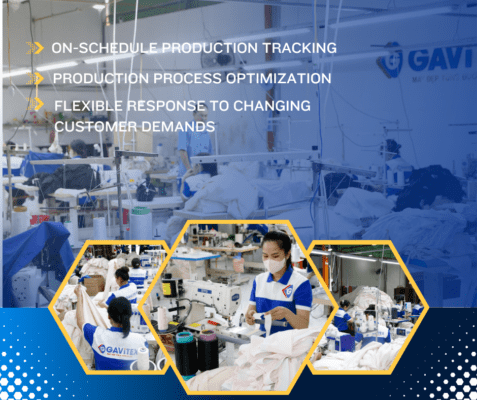
Apparel manufacturing services encompass a comprehensive range of activities involved in the production of clothing and accessories. These services include everything from design and prototyping to bulk production and quality control. By leveraging apparel manufacturing services, businesses can efficiently bring their fashion concepts to market, ensuring that they meet consumer demands while maintaining cost-effectiveness.
The apparel manufacturing landscape is diverse, featuring various players such as large factories, small workshops, and specialized service providers. Each of these entities contributes uniquely to the supply chain, offering specific capabilities like fabric sourcing, pattern making, and finishing processes. This diversity allows brands to select manufacturers that align with their production needs, whether they require high-volume outputs or bespoke items.
In recent years, the demand for apparel manufacturing services has surged due to the rise of fast fashion and online retail. As consumer preferences shift rapidly, manufacturers are increasingly expected to adapt quickly to trends, prompting innovations in production techniques and logistics. For instance, many manufacturers now employ digital technologies to streamline operations, enhance quality control, and reduce lead times.
Moreover, sustainability has become a crucial focus within the apparel manufacturing sector. Many manufacturers are adopting eco-friendly practices, such as using organic materials and reducing waste during production. This shift not only meets the growing consumer demand for sustainable products but also aligns with global efforts to minimize the fashion industry’s environmental impact.
In summary, understanding the apparel manufacturing services landscape is essential for any brand looking to succeed in today’s competitive market. By recognizing the capabilities, innovations, and trends within this field, businesses can make informed decisions that enhance their operational efficiency and market responsiveness.

Key Benefits of Using Apparel Manufacturing Services
Utilizing apparel manufacturing services offers numerous advantages that can significantly enhance the efficiency and effectiveness of fashion businesses. These services provide specialized expertise and resources aimed at optimizing the production process, which can directly translate to cost savings and improved product quality. By leveraging manufacturing services, brands can focus on their core competencies, such as design and marketing, while leaving the complexities of production to skilled professionals.
One of the primary benefits of apparel manufacturing services is cost efficiency. Engaging with established manufacturers allows brands to reduce overhead costs associated with maintaining in-house production facilities. This includes savings on labor, equipment, and materials. For instance, outsourcing to a manufacturer in a region with lower labor costs can lead to substantial savings, enabling brands to invest more in marketing and product development. Additionally, manufacturers often have established relationships with suppliers, allowing them to procure materials at lower prices, further enhancing cost-effectiveness.
Another crucial advantage is access to expertise and technology. Apparel manufacturing services employ skilled professionals with extensive knowledge of the latest industry trends and technologies. This expertise ensures that production processes are not only efficient but also aligned with current market demands. For example, many manufacturers invest in advanced machinery and sustainable practices, which can result in higher-quality products and reduced environmental impact. Brands that partner with these manufacturers can benefit from innovative techniques that they may not have the resources to implement independently.
Flexibility and scalability are also significant benefits of utilizing apparel manufacturing services. Brands can easily adjust production volumes based on market trends without the burden of excess inventory. This adaptability allows businesses to respond swiftly to consumer demands, seasonal changes, and emerging trends. For example, a brand experiencing a surge in demand for a specific product can quickly ramp up production without the complications of managing additional in-house resources.
Additionally, quality control is a key component of apparel manufacturing services. Reputable manufacturers have stringent quality assurance protocols in place, ensuring that the final products meet the required standards. This focus on quality not only enhances customer satisfaction but also strengthens brand reputation. By outsourcing production to specialized manufacturers, brands can minimize the risk of defects and returns, ultimately leading to greater customer loyalty and trust.
Finally, partnering with apparel manufacturing services can significantly enhance a brand’s speed to market. In a fast-paced fashion industry, timely delivery is crucial. Manufacturers with established processes and efficient supply chains can facilitate quicker turnaround times, allowing brands to launch new collections faster. For example, brands can reduce lead times from design to retail, capturing market opportunities before competitors can react.
In summary, the benefits of using apparel manufacturing services include cost efficiency, access to expertise and technology, flexibility and scalability, enhanced quality control, and improved speed to market. By leveraging these services, brands can position themselves for success in a competitive landscape, focusing on innovation and market responsiveness.
Types of Apparel Manufacturing Services
Apparel manufacturing services encompass a variety of processes tailored to meet the diverse needs of the fashion and garment industry. These services can be broadly categorized into several types, each serving a specific purpose in the lifecycle of apparel production. Understanding these types is crucial for brands looking to optimize their manufacturing strategies and ensure quality in their products.
One prominent category is contract manufacturing, where a brand outsources the production of its clothing to a third-party manufacturer. This approach allows brands to focus on design and marketing while leveraging the manufacturer’s expertise and resources. For instance, companies like Nike and Adidas often utilize contract manufacturers in countries with lower labor costs to produce their apparel at scale. This model not only reduces production costs but also increases flexibility in meeting market demands.
Another significant type is cut and sew services, which involve the actual assembly of garments from pre-cut fabric pieces. This service is vital for brands that require precise craftsmanship and customization in their products. Brands can opt for full-package services, where the manufacturer handles everything from fabric sourcing to final assembly, or they may choose to manage individual components themselves. This flexibility is particularly beneficial for small to medium-sized enterprises (SMEs) that need to maintain a competitive edge in a fast-paced market.
Additionally, private label manufacturing has gained traction, wherein manufacturers produce apparel under the brand name of a retailer without disclosing their identity. This type of service allows retailers to offer exclusive products while minimizing the risks associated with production. Retail giants like Target and Walmart frequently engage in private label manufacturing to enhance their product offerings and customer loyalty.
Moreover, sample development services play a crucial role in the apparel manufacturing process. These services focus on creating prototypes and samples before mass production, enabling brands to test designs and make necessary adjustments. This iterative process is essential for ensuring that the final product meets both aesthetic and functional requirements.
Lastly, sustainable apparel manufacturing has emerged as a vital service type, responding to increasing consumer demand for eco-friendly products. Manufacturers specializing in sustainable practices utilize organic materials, reduce waste, and implement ethical labor practices. Brands like Patagonia are leading the way by incorporating sustainability into their manufacturing processes, thereby appealing to environmentally conscious consumers.
In summary, the types of apparel manufacturing services include contract manufacturing, cut and sew services, private label manufacturing, sample development, and sustainable practices. Each type offers unique advantages and caters to the varying needs of brands, allowing them to successfully navigate the complexities of the apparel industry.

<h2>Choosing the Right Apparel Manufacturer</h2>
Choosing the right apparel manufacturer is crucial for businesses seeking to optimize their **apparel manufacturing services**. This decision directly impacts product quality, cost efficiency, and overall supply chain effectiveness. With a plethora of manufacturers available, identifying the right partner involves a careful assessment of various factors that align with your specific business needs.

Firstly, consider the **capabilities and expertise** of potential manufacturers. Different manufacturers specialize in various aspects of apparel production, including design, fabric sourcing, and garment assembly. It is essential to evaluate whether a manufacturer has experience in producing the specific types of apparel you wish to create. For instance, if you are focusing on high-performance athletic wear, partnering with a manufacturer that has a proven track record in technical fabrics and innovative designs can significantly enhance your product's marketability.

Next, analyze the **production capacity and lead times** of the manufacturer. A reliable apparel manufacturer should be able to meet your production demands without compromising on quality. Assessing their ability to scale production based on your growth projections is vital. Additionally, understanding their lead times for production and delivery helps ensure that you can meet customer demands in a timely manner. For example, a manufacturer that can deliver within four to six weeks may be preferable if your business operates on a tight schedule.

Another critical factor is the **cost structure** associated with the manufacturer. This includes not only the per-unit cost but also any additional fees related to sampling, shipping, or customizations. Conducting a thorough cost analysis can help you avoid unexpected expenses and make informed decisions that align with your budget. Seeking quotes from multiple manufacturers can provide a clearer picture of the market rates and help in negotiations.

Lastly, consider the **manufacturer's commitment to sustainability and ethical practices**. As consumers increasingly prioritize sustainability, partnering with a manufacturer that adheres to ethical labor practices and environmentally friendly processes can enhance your brand reputation. For instance, manufacturers using organic materials or implementing waste reduction strategies can appeal to eco-conscious consumers.

In summary, choosing the right apparel manufacturer requires a strategic approach involving an assessment of capabilities, production capacity, cost, and ethical practices. By carefully evaluating these factors, businesses can form partnerships that not only meet their immediate production needs but also support long-term growth and brand integrity.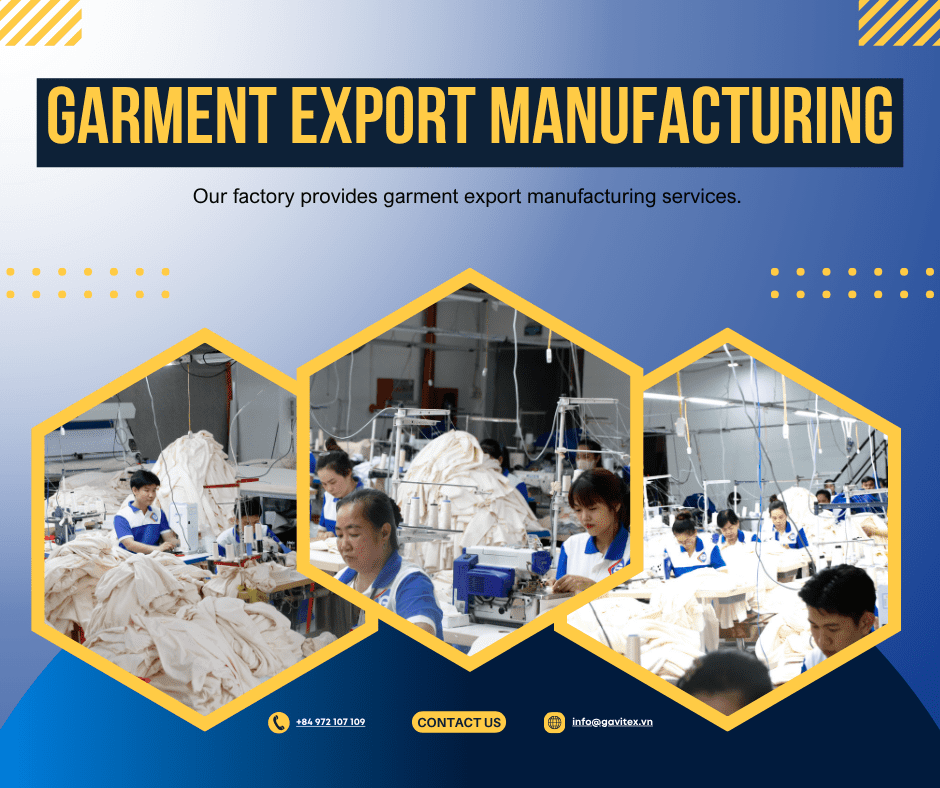
The Apparel Manufacturing Process
The apparel manufacturing process involves a series of systematic steps that transform raw materials into finished garments. This process is essential in apparel manufacturing services, as it ensures efficiency, quality, and adherence to design specifications. Understanding this process is crucial for brands looking to optimize production and meet market demands.
Initially, the process begins with design and prototyping. Fashion designers create sketches and samples based on market trends and consumer preferences. This stage often involves using computer-aided design (CAD) software to visualize the final product. For example, a clothing brand may produce digital prototypes to assess fit and style before moving forward.
Next, the fabric selection phase takes place, where manufacturers choose materials that align with the design and functional requirements of the apparel. The choice of fabric impacts the garment’s texture, durability, and overall appeal. Manufacturers often source fabrics from various suppliers, ensuring they meet quality standards and sustainability practices. This step is vital as it directly affects the final product’s marketability.
Following fabric selection, the production planning stage outlines the timeline, resources, and workforce needed for manufacturing. This includes determining the number of units required, production methods, and scheduling. Efficient production planning helps reduce lead times and minimizes costs, which is essential in the competitive apparel industry.
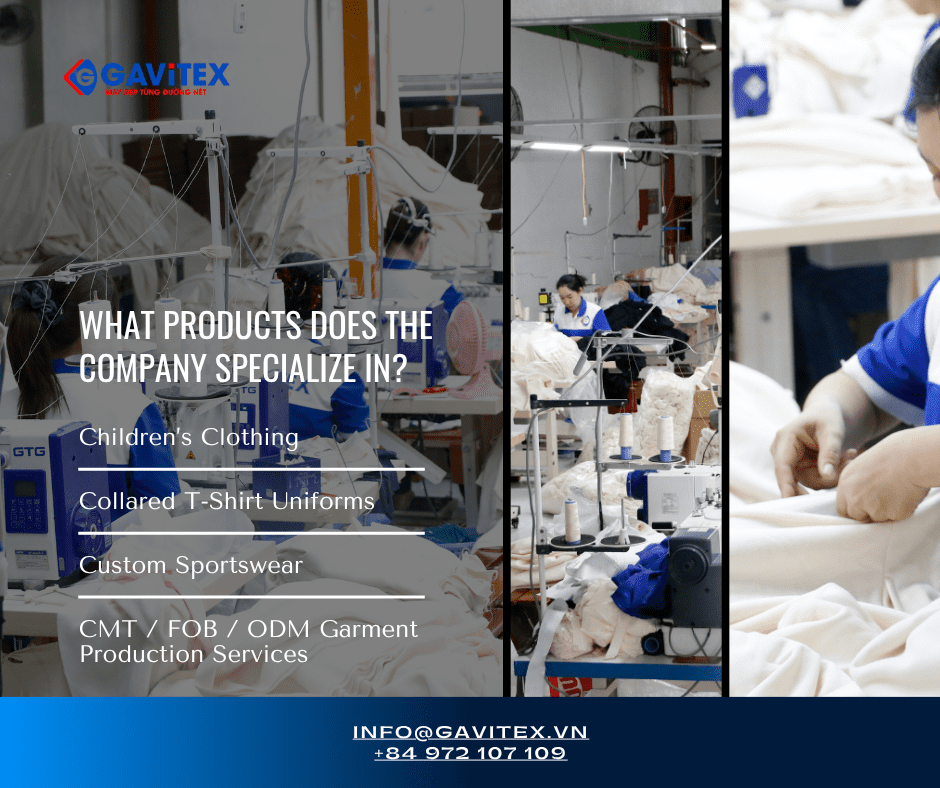
The cutting and sewing phase is where the actual transformation occurs. Fabrics are meticulously cut into patterns, which are then sewn together to form garments. This stage requires skilled labor and precision, as any errors can lead to waste and increased costs. For instance, automated cutting machines may be employed to enhance accuracy and efficiency.
Subsequently, the finishing processes are implemented to enhance the garment’s appearance and functionality. This includes activities such as washing, ironing, and applying labels. Quality control checks are critical during this phase to ensure that the final products meet the established standards. Defects are identified and rectified to avoid issues in the supply chain.
Finally, the packaging and distribution of finished apparel mark the last step in the manufacturing process. Proper packaging is essential not only for protecting the garments but also for providing information and branding. Efficient distribution channels are established to deliver products to retailers or directly to consumers, ensuring timely availability in the market.
In conclusion, the apparel manufacturing process is a comprehensive procedure that encompasses design, fabric selection, production planning, cutting and sewing, finishing, and distribution. Each step is critical in delivering high-quality garments that meet consumer expectations, solidifying the role of apparel manufacturing services in the fashion industry.
<h2>Trends in Apparel Manufacturing</h2>

The **trends in apparel manufacturing services** are evolving rapidly, driven by technological advancements, sustainability demands, and shifts in consumer behavior. One prominent trend is the increasing adoption of *automation and smart manufacturing technologies*. Factories are integrating robotics and artificial intelligence to enhance efficiency, reduce production time, and minimize labor costs. For instance, companies like **Zara** are leveraging automated sewing and cutting machines, leading to faster turnaround times and improved product quality.

Another significant trend is the emphasis on *sustainability and eco-friendly practices*. As consumers become more environmentally conscious, apparel manufacturers are responding by adopting sustainable materials and production methods. Brands such as **Patagonia** are leading the way by using recycled fabrics and promoting transparent supply chains. This not only appeals to eco-aware consumers but also helps manufacturers comply with stricter regulations regarding environmental impact.

The rise of *customization and on-demand manufacturing* is also reshaping the apparel industry. Consumers increasingly desire personalized products, leading manufacturers to implement *made-to-order* systems. Companies like **Nike** have introduced platforms that allow customers to customize their shoes, resulting in unique products that meet individual preferences. This shift reduces waste associated with unsold inventory and aligns with modern consumption patterns.

Additionally, the digital transformation of supply chains is becoming imperative. The use of *data analytics and cloud-based platforms* enables manufacturers to optimize operations, forecast demand, and enhance collaboration across the supply chain. This trend is exemplified by firms that utilize *real-time data* to adjust production schedules and inventory management, ensuring responsiveness to market changes.

Lastly, the integration of *supply chain transparency* is gaining traction. Consumers are increasingly interested in where and how their clothing is made. Brands that provide insights into their sourcing and manufacturing processes are likely to foster consumer trust and loyalty. For example, companies like **Everlane** showcase their factories and production practices, emphasizing ethical labor and material sourcing.

In summary, the **trends in apparel manufacturing services** highlight a shift towards innovation, sustainability, and customer-centric approaches. By embracing these trends, manufacturers can position themselves competitively in a rapidly changing market landscape.
Challenges in Apparel Manufacturing
The challenges in apparel manufacturing are multifaceted and can significantly impact the efficiency and profitability of clothing production. Key issues include rising labor costs, supply chain disruptions, and the increasing demand for sustainability. These factors can hinder the operational capabilities of apparel manufacturing services, making it crucial for businesses to address them proactively.
One major challenge is the fluctuation in raw material costs. Prices for fabrics, threads, and other essential materials can vary widely due to market conditions, geopolitical factors, and environmental regulations. For instance, the cotton price surge in recent years has forced manufacturers to adapt pricing strategies and seek alternative materials, impacting profit margins and production schedules.
Another pressing issue is labor shortages. The apparel industry often relies on low-wage labor in developing countries, where economic shifts and labor rights movements can lead to workforce instability. According to a report from the International Labour Organization (ILO), many garment factories are struggling to find skilled workers, which affects production timelines and quality control. Manufacturers must invest in training and employee retention strategies to mitigate this risk.
Moreover, the increasing focus on sustainability and ethical production presents a dual challenge. Consumers are demanding eco-friendly practices, pushing manufacturers to implement sustainable materials and processes. However, transitioning to sustainable practices often requires substantial investment in technology and infrastructure. For example, companies like Patagonia and Levi’s have adopted innovative recycling processes, but these initiatives necessitate significant upfront costs and strategic planning.
Technological advancement also poses challenges. While automation and digital tools can enhance efficiency, the rapid pace of technological change can leave some manufacturers behind. Those who fail to adopt new technologies risk falling behind more agile competitors. For instance, the integration of AI and data analytics in supply chain management can optimize production schedules and inventory management, but requires investment and training.
Finally, global trade policies and tariffs can create uncertainty in the apparel manufacturing landscape. Changes in trade agreements or the introduction of tariffs can disrupt established supply chains and increase costs. For example, the US-China trade tensions have led to increased tariffs on apparel imports, prompting manufacturers to reconsider their sourcing strategies.
In summary, the challenges in apparel manufacturing services are diverse and complex, requiring manufacturers to be adaptable and forward-thinking. By addressing these issues through strategic planning, investment in technology, and a commitment to sustainability, businesses can navigate the evolving landscape of the apparel industry effectively.
Future of Apparel Manufacturing Services
The future of apparel manufacturing services is poised for transformative changes driven by technological advancements, sustainability initiatives, and evolving consumer demands. As the industry adapts, manufacturers will increasingly integrate automation, artificial intelligence, and data analytics to enhance efficiency and responsiveness to market trends. For instance, the implementation of smart factories—equipped with IoT devices—can significantly optimize production processes, reducing lead times and minimizing waste.
In addition to technological innovations, sustainability will play a crucial role in shaping the future of apparel manufacturing. Consumers are becoming more environmentally conscious, favoring brands that prioritize eco-friendly practices. Manufacturers are responding by adopting sustainable materials, implementing closed-loop systems, and reducing carbon footprints. According to a report by the Global Fashion Agenda, the shift towards a circular economy could potentially reduce fashion-related greenhouse gas emissions by 44% by 2030, highlighting the urgent need for the industry to evolve.
Moreover, the rise of customization and on-demand manufacturing is set to revolutionize consumer experiences. Customers increasingly seek personalized products that align with their unique preferences. Apparel manufacturers are leveraging technology to enable mass customization, allowing consumers to choose designs, colors, and sizes tailored to their specifications. This shift not only enhances customer satisfaction but also reduces overproduction, aligning with sustainability goals.
The integration of digital platforms is another critical aspect of the future landscape. E-commerce and social media are redefining how apparel brands engage with consumers, making it essential for manufacturers to collaborate closely with marketing teams. Utilizing data analytics, manufacturers can gain insights into consumer behavior, enabling them to forecast trends and adapt production strategies accordingly.
As the market continues to evolve, resilience in supply chains will be paramount. Recent global disruptions have highlighted the vulnerabilities in traditional manufacturing models. Future apparel manufacturing services will likely emphasize flexibility and diversification in sourcing materials and production locations to mitigate risks. This approach will not only ensure continuity but also enhance the ability to respond swiftly to changing market dynamics.
In summary, the future of apparel manufacturing services will be characterized by a strong focus on technology, sustainability, customization, digital engagement, and resilient supply chains. These elements will collectively reshape the industry, enabling manufacturers to meet the demands of a rapidly changing market while fostering a more sustainable and consumer-centric approach.
If you need a broader production partner, you can also explore GOCY’s garment manufacturer in Vietnam page covering custom garment manufacturing, OEM/ODM support, sampling and export production guidance.


Đánh giá
Chưa có đánh giá nào.