

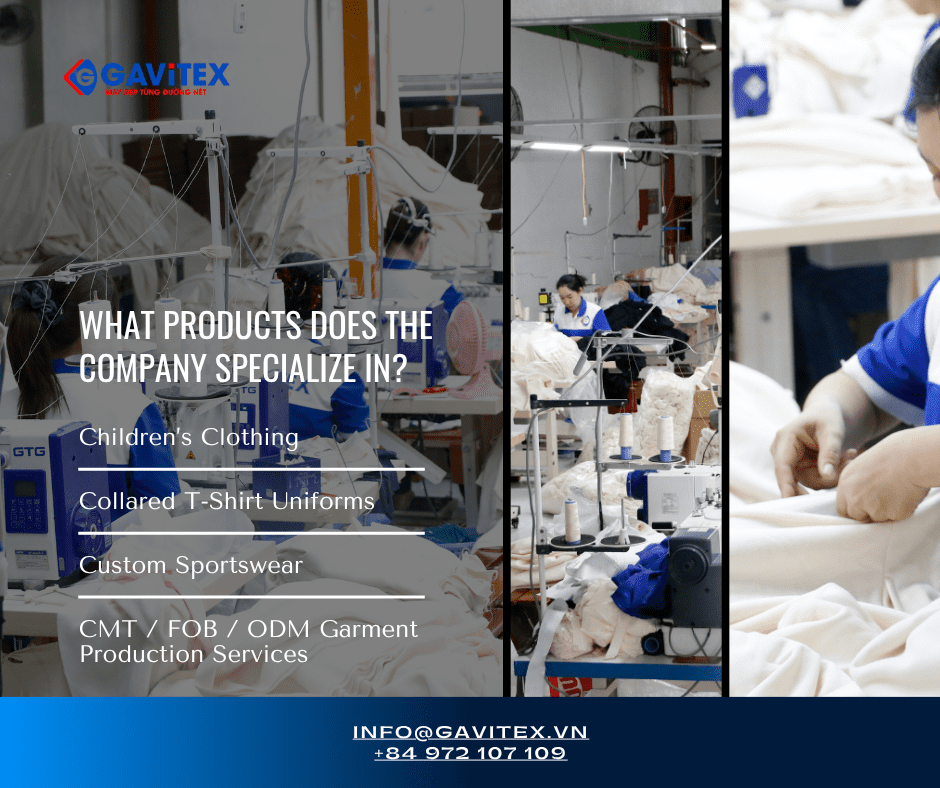

In recent years, custom clothing manufacturer Vietnam has emerged as a vital player in the global apparel industry, providing businesses with high-quality, tailor-made solutions that meet diverse market demands. As brands increasingly seek to differentiate themselves through unique designs and sustainable practices, partnering with a reliable manufacturer in Vietnam offers significant advantages, including cost-effectiveness, skilled labor, and advanced production techniques.
This article delves into the essential aspects of working with a custom clothing manufacturer in Vietnam, exploring topics such as the latest trends in garment production, the benefits of local sourcing, and the impact of technology on manufacturing processes. We will also highlight key factors to consider when selecting the right partner for your clothing line, ensuring you make informed decisions that drive your brand’s success. By understanding these critical elements, you will be better equipped to navigate the complexities of the garment manufacturing landscape and leverage the opportunities it presents.
<h2>Understanding Custom Clothing Manufacturing in Vietnam</h2>

The landscape of **custom clothing manufacturing in Vietnam** has evolved significantly, positioning the country as a key player in the global fashion industry. This growth is driven by a combination of skilled labor, competitive pricing, and a growing reputation for quality. **Vietnamese custom clothing manufacturers** cater to a diverse range of clients, from small startups to established brands, highlighting their ability to adapt to varying market demands.

One of the primary aspects of this manufacturing sector is its emphasis on flexibility. Vietnamese manufacturers can handle small to large production runs, allowing businesses to test new designs or respond quickly to market trends. This adaptability is crucial in the fast-paced fashion industry, where consumer preferences can shift rapidly. Additionally, many manufacturers in Vietnam are equipped with advanced technology and skilled artisans, ensuring high-quality outputs that meet international standards.

Moreover, the supply chain in Vietnam is increasingly streamlined. Proximity to raw material suppliers, such as textile and fabric producers, supports efficient production timelines. Manufacturers often collaborate closely with designers to refine prototypes and ensure that the final products align with the clients' visions. This collaborative approach not only enhances product quality but also fosters innovation in design and manufacturing techniques.

Sustainability is also becoming a central focus within the Vietnamese custom clothing manufacturing sector. Many manufacturers are adopting eco-friendly practices, such as using sustainable materials and reducing waste during production. This shift towards sustainability is not only beneficial for the environment but also appeals to a growing segment of consumers who prioritize ethical fashion choices.

In summary, **understanding custom clothing manufacturing in Vietnam** involves recognizing its flexibility, technological advancements, and commitment to quality and sustainability. As the industry continues to grow and evolve, it offers exciting opportunities for brands looking to establish or expand their presence in the global market.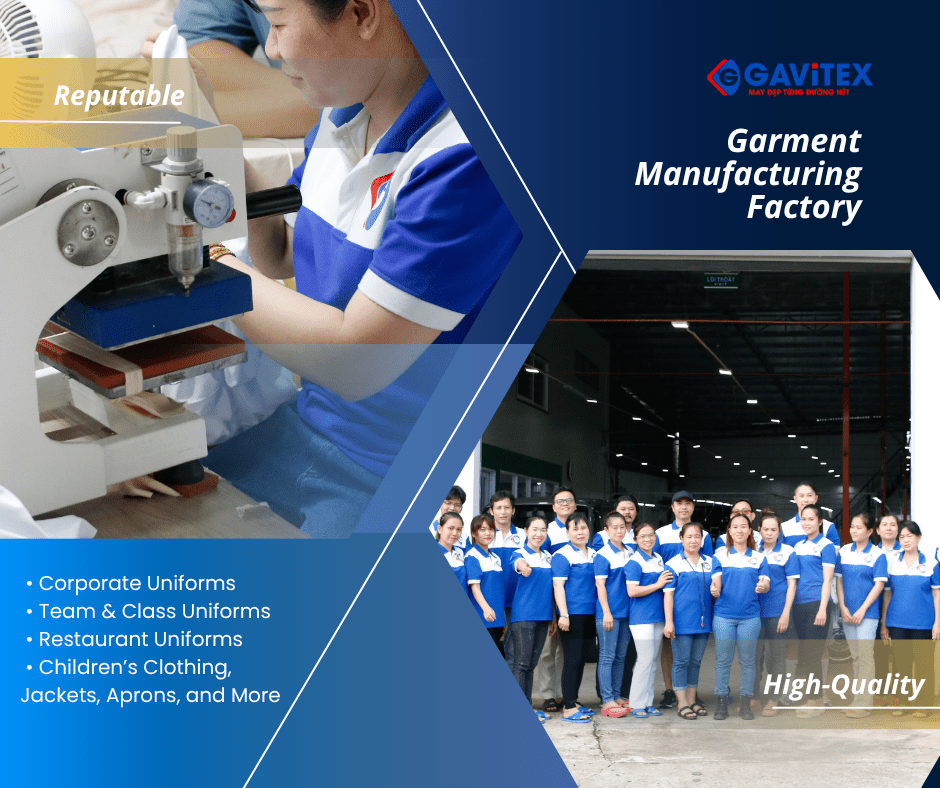
<h2>Key Benefits of Choosing a Vietnamese Custom Clothing Manufacturer</h2>
Vietnam has emerged as a key player in the global garment industry, making it a prime location for businesses seeking a **custom clothing manufacturer Vietnam**. The advantages of selecting a Vietnamese partner are multifaceted, providing businesses with both competitive pricing and high-quality output. Understanding these benefits is crucial for brands looking to enhance their product offerings.

One of the primary advantages of working with a Vietnamese manufacturer is **cost-effectiveness**. Labor costs in Vietnam are relatively lower compared to many Western countries, enabling manufacturers to offer competitive pricing without compromising quality. This economic efficiency allows brands to maintain profit margins while investing in other areas such as marketing and distribution.

In addition to cost advantages, **Vietnamese manufacturers** are known for their skilled labor force. The country has a long-standing tradition in textile and garment production, resulting in a workforce that is proficient in various techniques and technologies. This expertise translates into high-quality products that meet international standards. Brands can benefit from the craftsmanship and attention to detail that Vietnamese artisans bring to each garment.

Furthermore, the **flexibility and responsiveness** of Vietnamese manufacturers is a significant asset. Many companies are able to accommodate small to medium-sized orders, which is especially beneficial for emerging brands or those looking to launch new collections. This adaptability ensures that businesses can quickly respond to market trends and customer demands, thus enhancing their competitiveness.

Moreover, **sustainability practices** are increasingly being adopted by Vietnamese manufacturers. Many factories are now focusing on reducing their environmental impact through sustainable production practices. By partnering with manufacturers that prioritize eco-friendly processes, brands can enhance their corporate social responsibility (CSR) profile and appeal to environmentally conscious consumers.

Finally, the **geographical location** of Vietnam offers logistical advantages for international shipping. Proximity to major shipping routes reduces lead times, allowing for faster delivery of products to markets worldwide. This efficiency is crucial in today’s fast-paced retail environment, where speed to market can significantly impact sales.

In conclusion, choosing a **custom clothing manufacturer in Vietnam** provides numerous benefits, including cost-effectiveness, skilled labor, flexibility, sustainability, and logistical advantages. These factors make Vietnam an attractive option for brands looking to enhance their clothing lines while maintaining high quality and efficiency.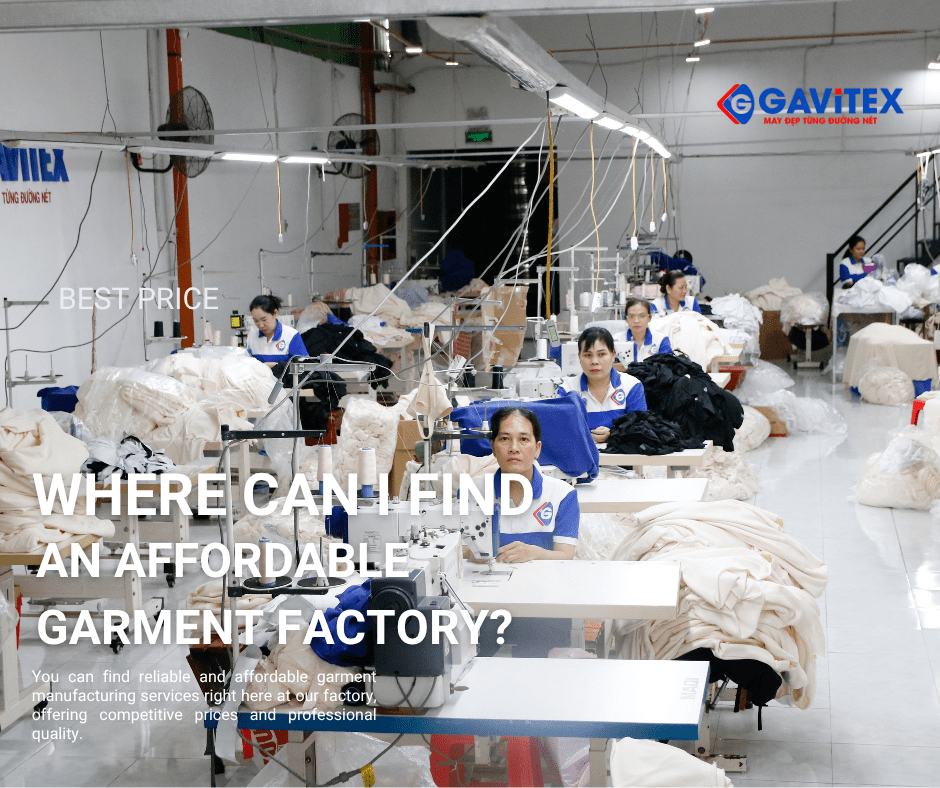
The Custom Clothing Manufacturing Process: Step-by-Step
The custom clothing manufacturing process in Vietnam involves a series of well-defined steps that ensure the creation of high-quality garments tailored to specific client needs. Understanding this process is crucial for businesses looking to collaborate with a custom clothing manufacturer in Vietnam, as it highlights the importance of each phase from design conception to final production.
Initially, the process begins with design development, where clients provide sketches, specifications, or samples that serve as the foundation for the clothing line. This stage is critical, as it allows the manufacturer to understand the vision and requirements of the client. The use of advanced design software can also facilitate the creation of prototypes, enabling a more precise representation of the final product.
Once the design phase is complete, the next step is fabric selection, where manufacturers source suitable materials that align with the design specifications. Factors such as quality, sustainability, and cost-effectiveness are considered. For instance, a manufacturer might offer a variety of fabrics, including cotton, polyester, or blended materials, giving clients options that best fit their brand aesthetics and target market.
Following fabric selection, the process moves to pattern making and sampling. This involves creating patterns based on the approved designs and producing samples for client review. The sample is essential for assessing fit, style, and overall appearance. Feedback from the client during this stage is invaluable, as it allows for adjustments to be made before moving into full-scale production.
The production stage is where the bulk of the manufacturing occurs. Here, skilled workers use industrial sewing machines to assemble the garments according to the finalized patterns. This stage may involve multiple processes such as cutting, stitching, and finishing. To maintain efficiency and quality, many manufacturers implement lean production techniques, ensuring that resources are used effectively while minimizing waste.
Once the garments are produced, the next phase is quality control, which is vital in ensuring that each piece meets the agreed-upon standards. Quality control checks may include inspecting the fabric for defects, verifying that measurements are accurate, and ensuring that the final product aligns with the client’s specifications. This rigorous process helps mitigate potential issues before the products are shipped.
Finally, the last step in the custom clothing manufacturing process is packaging and shipping. Proper packaging is important for protecting the garments during transit and creating an appealing presentation for the end customer. Manufacturers often collaborate with logistics providers to ensure timely delivery, which is crucial for maintaining client satisfaction and meeting market demands.
In summary, the custom clothing manufacturing process in Vietnam is a comprehensive journey that encompasses design, fabric selection, sampling, production, quality control, and logistics. By understanding each step, businesses can effectively engage with a custom clothing manufacturer in Vietnam, ensuring that their products are crafted to the highest standards.
Factors to Consider When Selecting a Custom Clothing Manufacturer
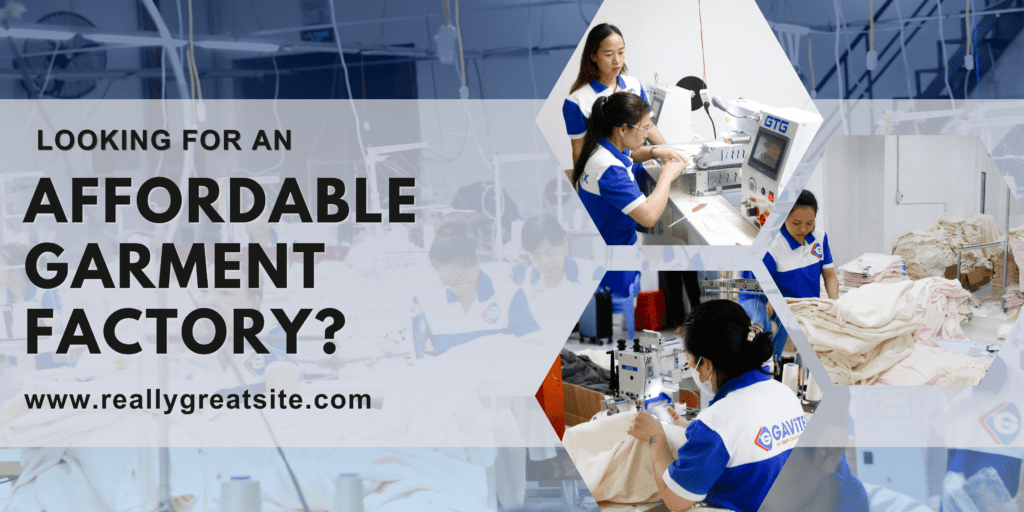
When selecting a custom clothing manufacturer in Vietnam, several critical factors must be taken into account to ensure a successful partnership. These factors encompass quality, production capabilities, communication, and ethical practices. Understanding these elements can significantly impact the overall success of your clothing line.
One of the primary considerations is the quality of materials and craftsmanship. It is essential to assess whether the manufacturer uses high-quality fabrics and has skilled artisans capable of producing garments that meet your brand’s standards. A manufacturer with a solid reputation for quality can prevent costly mistakes and ensure customer satisfaction. For instance, renowned Vietnamese manufacturers often source materials locally, which can enhance the uniqueness and quality of the final product.
Another vital aspect is the manufacturer’s production capacity and lead times. Ensure that the manufacturer can handle your order volume within your required time frame. Some manufacturers specialize in small batches, while others can scale up for larger orders. For example, if you plan to launch a seasonal collection, it’s crucial that your chosen partner can meet your timeline without compromising on quality.
Effective communication also plays a pivotal role in the selection process. A manufacturer who is responsive and transparent in their communication can help mitigate misunderstandings and streamline the production process. Establishing a clear line of communication from the start can facilitate better collaboration and problem-solving, which is particularly important in the fast-paced fashion industry.
Next, consider the manufacturer’s compliance with ethical and sustainability standards. Many consumers today prioritize brands that practice sustainability and ethical production. Researching the manufacturer’s labor practices and environmental policies can help you align your brand values with those of your production partner. This alignment not only enhances your brand’s reputation but also resonates well with conscious consumers.
Lastly, evaluate the flexibility and innovation capacity of the manufacturer. The ability to adapt to changing trends and incorporate new designs can be a game-changer in the competitive fashion market. A manufacturer that embraces innovation can help you stay ahead of the curve and respond quickly to market demands.
In conclusion, choosing the right custom clothing manufacturer in Vietnam involves a careful assessment of various factors, including quality, production capabilities, communication, ethical practices, and flexibility. By focusing on these elements, you can establish a successful partnership that supports your brand’s growth and vision.
Quality Control in Custom Clothing Manufacturing
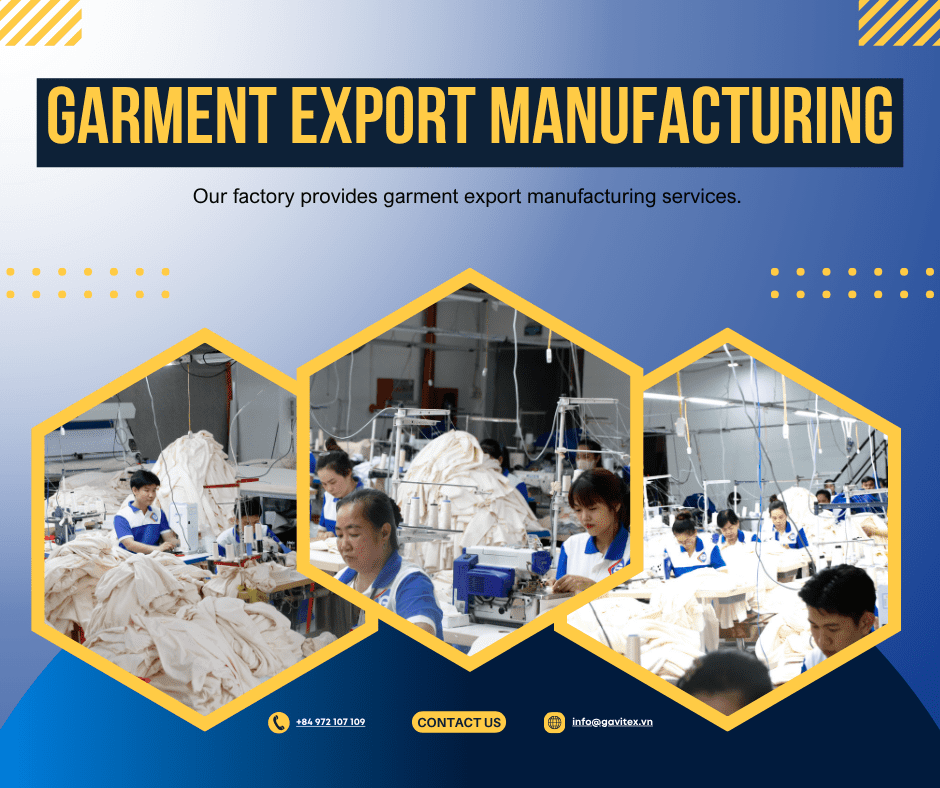
Quality control is a critical component of the custom clothing manufacturing process in Vietnam, ensuring that products meet specified standards and customer expectations. A reliable custom clothing manufacturer in Vietnam employs a systematic approach to quality control, encompassing several stages from raw material selection to final inspection. This structured process not only minimizes defects but also enhances product consistency, which is essential for building brand reputation.
One significant aspect of quality control is raw material inspection. Manufacturers must source high-quality fabrics and components to ensure the durability and aesthetic appeal of the final product. For instance, a reputable manufacturer often collaborates with trusted suppliers and conducts thorough inspections of incoming materials. This underscores the importance of using quality materials as a foundation for any custom clothing line.
Another vital element of quality control is the in-process monitoring. During production, manufacturers should conduct routine checks at various stages to identify any issues early. This might include examining stitching quality, color consistency, and overall craftsmanship. For example, a custom clothing manufacturer in Vietnam might implement a checklist that requires operators to assess the quality of each batch of garments before moving them to the next production phase. Studies have shown that companies that adopt in-process quality checks can reduce production errors by up to 30%.
Post-production quality control is equally important. This phase typically involves a final inspection of finished garments to ensure they meet all quality standards. Many manufacturers utilize trained quality assurance teams to meticulously review the products, checking for defects such as loose threads, incorrect sizing, and overall fit.
In addition to these practices, many manufacturers are increasingly integrating technology into their quality control processes. Advanced tools such as automated inspection systems and data analytics help to detect defects more accurately and efficiently. For instance, some companies have adopted machine learning algorithms to predict potential quality issues based on historical data, thereby enabling proactive adjustments during the manufacturing process.
Overall, effective quality control in custom clothing manufacturing not only enhances the end product but also fosters long-term relationships between manufacturers and their clients. By prioritizing quality at every stage—from material selection to final inspection—custom clothing manufacturers in Vietnam can differentiate themselves in a competitive market, ensuring their clients receive not only stylish but also high-quality garments.
<h2>Trends in Custom Clothing Production in Vietnam</h2>
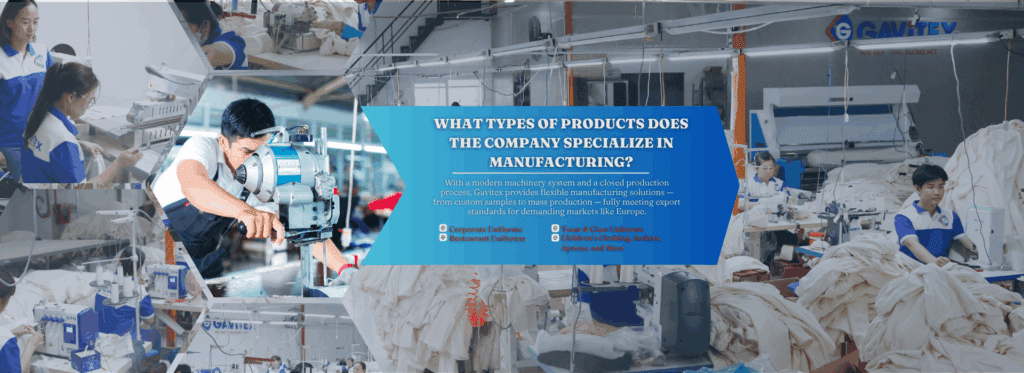
Vietnam has emerged as a significant player in the global **custom clothing manufacturing** industry, reflecting a myriad of **trends** that cater to evolving consumer preferences and technological advancements. The rise of **sustainable fashion** is one of the most prominent trends, where manufacturers are increasingly adopting eco-friendly materials and practices. This shift is not only driven by consumer demand for environmentally responsible products but also by regulatory pressures to reduce carbon footprints.

Another notable trend is the increasing integration of **technology** in the **manufacturing** process. Automation and advanced sewing technologies are being utilized to enhance efficiency and precision. For instance, the application of **3D prototyping** and **digital fabric printing** allows brands to reduce waste and speed up production timelines, making it easier for custom clothing manufacturers in Vietnam to adapt quickly to market changes.

The demand for **personalization** is also reshaping the landscape of custom clothing production. Consumers are increasingly looking for unique designs that reflect their individual styles. As a response, manufacturers are implementing systems that allow for mass customization while maintaining cost-effectiveness. This trend is particularly evident in the rise of online platforms that enable customers to design their garments, which has further fueled the growth of the custom clothing sector in Vietnam.

Furthermore, the rise of **e-commerce** has transformed how custom clothing manufacturers operate. With more consumers shopping online, manufacturers are focusing on enhancing their digital presence and logistics capabilities to meet customer expectations for fast delivery and seamless shopping experiences. This trend has led to partnerships between manufacturers and tech companies to streamline operations and improve customer service.

In summary, the **custom clothing production** landscape in Vietnam is characterized by a strong emphasis on sustainability, technological integration, personalization, and e-commerce adaptability. These trends not only reflect changing consumer behaviors but also position Vietnam as a forward-thinking hub for **custom clothing manufacturing** in the global market.
How to Collaborate Effectively with Your Manufacturer
Effective collaboration with your custom clothing manufacturer in Vietnam is essential for ensuring a successful partnership and achieving high-quality products. To foster a productive relationship, clear communication and mutual understanding are paramount. This involves not only sharing your vision and expectations but also actively listening to the manufacturer’s insights and recommendations. Establishing a collaborative spirit helps bridge any cultural or operational gaps, ultimately leading to a smoother production process.
One crucial aspect of collaboration is setting clear goals and timelines. When both parties understand the project milestones and deadlines, it minimizes confusion and ensures that everyone is on the same page. For instance, if you require a prototype to be completed within a month, communicate this clearly and confirm the manufacturer’s ability to meet this timeline. Furthermore, regularly reviewing progress and adjusting plans as necessary can help maintain momentum throughout the production cycle.
Another important factor is transparency regarding costs and pricing structures. Discussing the budget openly allows both you and your manufacturer to explore options that fit within financial constraints while still achieving quality outcomes. For example, if you desire premium materials, understanding the cost implications will help you make informed decisions about the overall project scope. This transparency fosters trust and can lead to potential cost-saving solutions without compromising quality.
Building a strong relationship with your manufacturer also involves cultural sensitivity and respect for local practices. Understanding Vietnamese work ethic and communication styles can significantly enhance collaboration. For instance, Vietnamese manufacturers may prioritize relationship-building over direct confrontation. Engaging in informal conversations and showing appreciation for their efforts can create a more amicable working environment.
Regular feedback and constructive criticism play a vital role in refining the production process. Establish a system for providing feedback that is timely and specific to avoid overwhelming your manufacturer with vague comments. For example, instead of saying, “I don’t like this design,” specify what elements you would like to see changed, such as colors or patterns. This approach encourages a more productive dialogue and leads to better results.
Finally, utilizing technology can streamline communication and collaboration. Tools such as project management software and collaborative platforms allow you to share designs, track progress, and communicate in real-time. These tools can help mitigate misunderstandings and ensure that both parties have access to the most current information, thus enhancing the overall efficiency of the manufacturing process.
By focusing on these key aspects—clear communication, goal setting, transparency, cultural sensitivity, feedback, and technology—brands can effectively collaborate with custom clothing manufacturers in Vietnam. This collaborative approach not only improves product quality but also solidifies a long-term partnership beneficial for both parties.
<h2>Case Studies: Successful Custom Clothing Brands in Vietnam</h2>

The landscape of **custom clothing manufacturing in Vietnam** has seen remarkable success stories, showcasing how brands have leveraged local expertise to establish themselves in the global market. One notable example is **Ninomaxx**, a brand that has effectively utilized Vietnam’s rich textile heritage to create fashionable and affordable apparel for a diverse customer base. By partnering with local manufacturers, Ninomaxx not only ensures high-quality production but also supports the local economy, reinforcing the value of **Vietnamese custom clothing manufacturers**.

Another exemplary brand is **Thuy Design House**, which has gained international recognition for its unique blend of traditional Vietnamese designs with contemporary fashion trends. The brand’s success can be attributed to its strategic collaborations with skilled artisans and manufacturers, allowing for intricate craftsmanship that appeals to both local and international markets. Thuy Design House emphasizes quality and sustainability, showcasing the potential of **custom clothing production in Vietnam** to meet global standards.

Additionally, **GocY**, a rising star in the custom clothing sector, has carved a niche by focusing on eco-friendly materials and sustainable practices. By working closely with local manufacturers, GocY has developed a line of clothing that is not only stylish but also environmentally conscious. This approach has resonated with a growing segment of consumers who prioritize sustainability, further emphasizing the importance of adapting to market trends within the **Vietnamese custom clothing manufacturing** landscape.

These case studies illustrate that successful custom clothing brands in Vietnam effectively combine quality, innovation, and cultural heritage. By leveraging local resources and expertise, they not only create unique products but also contribute significantly to the growth of the custom clothing industry in Vietnam. As the demand for customized apparel continues to rise, these brands serve as beacons of how effective partnerships with **custom clothing manufacturers in Vietnam** can lead to sustainable success.


Đánh giá
Chưa có đánh giá nào.